


Choosing an esthetics school is an important first step toward building a career in professional skincare. But with different programs, training approaches, and educational pathways available, how do you know which school will provide the right foundation for your goals?
A good esthetics education involves more than completing the required training hours. Students need to develop a strong understanding of skin health, learn professional treatment techniques, practice client consultations, and understand the safety standards that guide the skincare industry.
For students in Washington, another important consideration is the difference between foundational Esthetics education and advanced Master Esthetics training. Understanding both pathways can help you make a more informed decision about your education and long-term professional development.
Whether you are starting a new career or planning to advance your skincare knowledge, here are seven important factors to evaluate when choosing an esthetics school in Washington.
1. Understand the Education Pathways: Esthetics vs. Master Esthetics
Before comparing schools, take time to understand the different educational pathways available in Washington.
Esthetics and Master Esthetics are separate professional licensing categories, each with distinct training requirements and areas of practice.
Foundational Esthetics Education
An Esthetician program provides the knowledge and practical skills needed to perform professional skincare services. Training generally includes:
- Skin anatomy, physiology, and basic skin science
- Skin analysis and facial treatments
- Cleansing, exfoliation, and facial massage
- Hair removal techniques, including waxing
- Sanitation, infection control, and client safety
- Professional skincare products and treatment procedures
Washington requires 750 hours of approved school training for Esthetician licensure.
Advanced Master Esthetics Education
Master Esthetics builds on foundational skincare knowledge and introduces more advanced treatment concepts and technologies.
Additional training includes:
- Advanced skin assessment and treatment planning
- Medium-depth chemical peels
- Laser and light-based technology practices
- Radiofrequency (RF), ultrasound, and plasma practices
- Advanced facial massage and lymphatic drainage
- Pretreatment and post-treatment procedures
- Advanced skin conditions and contraindications
Washington recognizes two school-based education pathways for Master Esthetician licensure:
| Education pathway | Required training |
|---|---|
| Combined Master Esthetics school curriculum | 1,200 hours |
| Existing Esthetician license plus additional Master Esthetics training | 450 additional hours |
Understanding these options can help you identify a program that matches your current qualifications and educational goals.
If you are new to the industry, foundational Esthetics education may be the appropriate starting point. If you already hold an Esthetician license and want to pursue advanced training, a Master Esthetics pathway may be worth exploring.
For complete licensing and examination information, consult the Washington State Department of Licensing and its official Esthetician and Master Esthetician licensing requirements.
2. Look Beyond Training Hours: Evaluate the Curriculum

Two schools may offer programs with similar training hours but provide different learning experiences. That is why comparing curriculum content is just as important as comparing program duration.
A well-developed esthetics curriculum should combine theoretical knowledge with practical skills that students can apply in professional skincare environments.
When evaluating a curriculum, look at these areas:
- Skin Science and Analysis
Students should develop an understanding of skin anatomy, physiology, common skin conditions, and the factors that influence skin health. This knowledge helps future professionals recognize different skin characteristics and make appropriate treatment recommendations.
- Professional Skincare Techniques
Look for instruction covering facial treatments, cleansing, exfoliation, extractions, masks, moisturizing, and other foundational skincare procedures.
- Safety and Sanitation
Proper sanitation, disinfection, infection control, and equipment safety are essential parts of professional esthetics practice. Students should understand how to maintain a clean treatment environment and protect both clients and practitioners.
- Advanced Skincare Knowledge
For students considering Master Esthetics, examine whether the curriculum introduces advanced skin assessment, treatment protocols, chemical peels, and professional skincare technologies.
How to compare esthetics school curricula:
Rather than comparing program hours alone, consider using a subject-by-subject checklist.
| Curriculum area | What to evaluate |
|---|---|
| Skin science | Anatomy, physiology, and skin conditions |
| Facial treatments | Treatment techniques and product knowledge |
| Hair removal | Different professional hair removal methods |
| Sanitation | Disinfection, hygiene, and safety procedures |
| Client consultation | Skin assessment and treatment planning |
| Advanced technologies | Equipment principles, indications, and contraindications |
| Practical education | Opportunities to apply theoretical knowledge |
This approach helps you understand what a school actually teaches instead of relying only on promotional descriptions.
It is also useful to ask for a curriculum outline and understand how the school documents completed training. Transcripts, diplomas, and training records can be important when pursuing further education or evaluating licensing requirements in another state.
3. Evaluate Hands-On Training and Practical Experience
Understanding skincare theory is important, but professional esthetics also requires practical skills.
A student may understand how a facial treatment works in theory but still need considerable practice to perform it confidently, communicate with clients, and follow appropriate treatment procedures.
When comparing schools, ask how much supervised practical experience students receive and what opportunities they have to work with different clients.
Consider these questions:
- Do students practice treatments on real clients or primarily on mannequins?
- Are practical sessions supervised by instructors?
- Do students learn how to conduct client consultations?
- Are they taught to recognize skin conditions and treatment contraindications?
- Do they practice maintaining sanitation and safety standards?
- How are practical skills evaluated?
Real-client experience is particularly valuable because it introduces students to situations that cannot always be replicated in classroom demonstrations.
Students may encounter different skin types, client concerns, treatment preferences, and communication challenges. Learning how to respond professionally to these situations helps build confidence and prepares students for the expectations of a working skincare environment.
A school that integrates theory, instructor demonstrations, and supervised practice can provide a more complete learning experience than one that relies heavily on classroom instruction.
4. Examine the Equipment and Technology Available to Students
Professional skincare continues to evolve as new equipment, treatment methods, and technologies become part of the industry.
When choosing an esthetics school, consider whether its learning environment provides access to professional equipment that supports the curriculum.
For foundational Esthetics students, this may include facial treatment equipment, magnification lamps, steamers, and other tools used in everyday skincare services.
For students pursuing advanced Master Esthetics education, exposure to additional technologies becomes particularly relevant.
Examples include:
- Laser and Intense Pulsed Light (IPL)
Students should understand the principles of laser and IPL technologies, including their applications, indications, contraindications, and safety considerations. Learn more about Laser-Focused Learning
- Radiofrequency (RF)
Radiofrequency technology uses electromagnetic energy to generate controlled heat in targeted tissues. Understanding its operating principles and treatment considerations is part of advanced technology education.
- Ultrasound
Ultrasound-based technologies use sound waves for different professional applications. Students should understand how these technologies work and the considerations involved in their use.
- Plasma Technology
Plasma-based technologies introduce another area of advanced skincare education, requiring knowledge of equipment principles, safety, and appropriate treatment considerations.
- Chemical Peel Technology
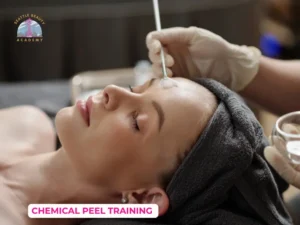
Advanced education may also include understanding chemical peel ingredients, their properties, treatment selection, and precautions for different skin conditions.
The important question is not simply whether a school advertises modern equipment. Ask whether students receive meaningful instruction, demonstrations, and practical learning opportunities as part of the approved curriculum. Explore more about Chemical Peel.
Important: Learning about a technology does not automatically authorize a graduate to perform every procedure independently. In Washington, the use of certain prescription medical devices requires compliance with applicable delegation and supervision rules. Students should understand the difference between educational exposure, professional licensing, and legal scope of practice.
For additional information, consult the Washington State Department of Licensing’s guidance on Estheticians, Master Estheticians, and the Use of Devices and Lasers.
5. Research Instructor Expertise and Student Learning Support
The quality of instruction can have a significant impact on how students develop their professional skills.
Experienced instructors do more than demonstrate techniques. They help students understand why certain procedures are performed, recognize potential treatment concerns, and develop sound professional judgment.
When researching an esthetics school, consider the following:
- Industry Experience
Ask about instructors’ professional backgrounds and experience in skincare and beauty services.
- Teaching Approach
A good learning environment should combine explanations, demonstrations, guided practice, and constructive feedback.
- Individual Guidance
Students develop skills at different rates. Access to instructor feedback can help them identify areas for improvement and strengthen their practical abilities.
- Communication and Learning Support
Consider whether instructors are approachable and whether the school provides support when students have questions about coursework, practical training, or their progress.
If English is not your first language, you may also want to ask whether the school offers language support or instruction in a language you are comfortable learning in.
The goal is to find an educational environment where students can develop both technical knowledge and professional confidence.
6. Compare the Value of Different Esthetics Programs
Tuition is an important consideration, but the lowest-priced program is not necessarily the best educational investment.
When comparing esthetics schools, look beyond the advertised tuition and understand the overall cost of completing your education.
Consider these expenses:
- Tuition and enrollment fees
- Student kits and skincare products
- Uniforms and required supplies
- Books and learning materials
- Examination and licensing fees
- Additional costs associated with practical training
You should also consider what is included in the educational experience.
For example, does tuition include access to professional equipment? Are practical sessions included? Are students provided with the materials needed to complete their training?
- Compare the overall educational value, not just the price.
A program that offers structured instruction, supervised practice, appropriate equipment, and accessible student support may provide greater long-term value than a less expensive program with limited learning opportunities.
It is also worth asking whether the school offers flexible payment arrangements and schedules that can accommodate your personal responsibilities.
7. Questions to Ask Before Choosing an Esthetics School in Washington
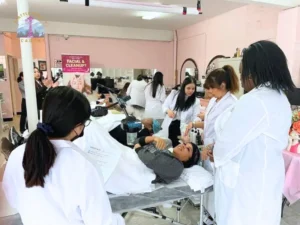
Visiting a school before enrolling is one of the best ways to understand its learning environment.
A campus visit allows you to observe classrooms, examine equipment, speak with instructors, and ask questions about the student experience.
Before making your decision, consider asking:
About the program
- Is the school licensed and approved to provide the training?
- What subjects are included in the curriculum?
- How are students’ theoretical and practical skills evaluated?
About practical experience
- How much supervised hands-on training is provided?
- Do students have opportunities to work with real clients?
- What professional equipment is available?
About instructors and support
- What qualifications and industry experience do instructors have?
- How do instructors provide feedback?
- What learning support is available?
About costs and scheduling
- What is included in tuition?
- Are there additional fees for supplies or equipment?
- Are full-time and part-time schedules available?
- What payment arrangements are offered?
About education records
- What documents will students receive upon graduation?
- Can students obtain transcripts and records of completed training hours?
- How can the school assist students who plan to pursue further education?
Taking time to ask these questions can help you compare schools more objectively and choose an educational environment that supports your goals.
Explore Esthetics Education at Seattle Beauty Academy
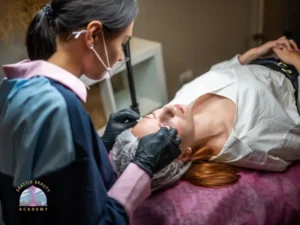
Choosing the right esthetics education pathway means finding a balance between comprehensive instruction, practical experience, professional guidance, and opportunities for continued learning.
At Seattle Beauty Academy, students can explore two educational pathways designed for different stages of professional development.
- Esthetics Program – 750 Hours
The Esthetics Program introduces students to foundational skincare knowledge and professional treatment techniques. Students learn through a combination of classroom instruction and hands-on practice, including opportunities to work with real clients in the school’s clinic.
The curriculum covers facial care, skin analysis, hair removal, sanitation, and other essential skills needed to prepare for professional esthetics practice.
Learn more about the Esthetics Program at Seattle Beauty Academy.
- Master Esthetics Program – 450 Additional Hours
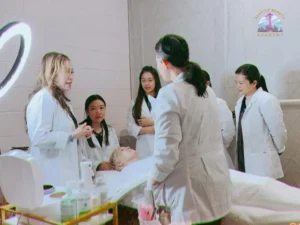
For students who have completed the Esthetics Program, Seattle Beauty Academy offers advanced Master Esthetics training.
The program expands foundational skincare knowledge through advanced technologies and treatment education, including:
- Laser and IPL technology
- Radiofrequency (RF)
- Ultrasound and plasma technology
- Chemical peel techniques
- Advanced skincare and treatment planning
- Client assessment and treatment considerations
Students combine theoretical instruction with practical training to develop a deeper understanding of advanced esthetics procedures and technologies.
Explore the Master Esthetics Program at Seattle Beauty Academy.
Whether you are beginning your skincare education or looking to advance your existing knowledge, understanding your options is an important step toward building a rewarding professional future.
Contact Seattle Beauty Academy to learn more about program requirements, schedules, and enrollment opportunities.
Frequently Asked Questions
1. What should I look for when choosing an esthetics school?
Look for a school with appropriate state approval, a comprehensive curriculum, qualified instructors, supervised practical training, professional equipment, and a supportive learning environment. Also compare the total cost of education and understand what is included in the program.
2. What is the difference between an Esthetician and a Master Esthetician program in Washington?
An Esthetician program provides foundational skincare education, including facials, skin analysis, hair removal, and sanitation. Master Esthetics education builds on this foundation with additional training in advanced skin assessment, medium-depth chemical peels, and technologies such as laser, IPL, RF, and ultrasound.
Washington recognizes a 750-hour Esthetician school curriculum and a 450-additional-hour Master Esthetics pathway for licensed estheticians. A separate 1,200-hour combined school curriculum is also recognized.
3. How important is hands-on training in esthetics school?
Hands-on training is essential because professional esthetics requires practical skills as well as theoretical knowledge. Supervised practice helps students develop treatment techniques, client communication, consultation skills, and appropriate sanitation procedures.
4. Should I choose an esthetics school that offers advanced technology training?
It depends on your educational and professional goals. If you are interested in advanced skincare, comparing schools that offer Master Esthetics education can help you understand the additional training available. However, always verify the program’s curriculum and applicable scope-of-practice requirements.
5. Can I transfer my esthetics license to another state?
Licensing requirements differ between states. Some states offer licensure by endorsement or reciprocity, while others may evaluate an applicant’s education hours, curriculum, examination results, and existing license. A license is not automatically transferable, so check the requirements of the state where you intend to work.
6. What documents should I keep after graduating from esthetics school?
Keep copies of your diploma, official transcripts, completed training-hour records, examination results, and professional license documentation. These records can help when applying for further education or pursuing licensure in another state.