


Chemical peels are one of the most widely recognized professional skin treatments for improving the appearance and texture of the skin. By applying a carefully selected chemical solution to the skin, this treatment encourages controlled exfoliation and the removal of damaged outer skin cells. Depending on the type and strength of the peel, chemical peels can address concerns such as uneven skin tone, dullness, rough texture, acne, and the appearance of fine lines.
Although the term “chemical peel” may sound intense, these treatments can range from very superficial exfoliation to deeper professional procedures. The appropriate peel depends on the client’s skin condition, goals, skin type, and the professional’s assessment.
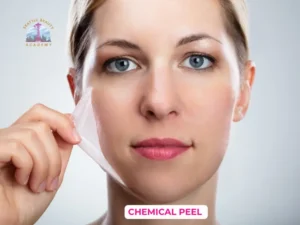
What Is a Chemical Peel?
A chemical peel is a skin treatment that uses a chemical solution to exfoliate one or more layers of the skin. The solution works by loosening the bonds between dead or damaged skin cells, allowing them to shed as part of the skin’s natural renewal process.
Different acids and formulations produce different levels of exfoliation. Some peels primarily target the surface of the skin, while others penetrate more deeply. Because the strength and ingredients of a peel directly affect the treatment response, professional assessment and proper application are important.
Chemical peels are commonly performed on the face, but certain formulations can also be used on areas such as the neck, chest, or hands when appropriate.
How Do Chemical Peels Work?
The basic principle behind a chemical peel is controlled exfoliation. During treatment, a chemical solution is applied to cleansed skin for a specific amount of time. The solution interacts with the outer layers of the skin, helping loosen dead cells and promoting their removal.
After treatment, the skin may appear brighter and smoother. Depending on the peel, some clients may experience mild redness, dryness, tightness, or peeling during the recovery period.
The visible results do not come from simply “removing” skin. Chemical exfoliation can also support a more even-looking skin surface by encouraging the replacement of damaged surface cells with newer ones.
The concentration, pH, formulation, application technique, contact time, and client’s skin condition can all influence the outcome. This is why chemical peels should be selected and performed according to professional protocols rather than treated as a one-size-fits-all procedure.
Common Types of Chemical Peels
There are several types of chemical peels, and each has different characteristics. The most appropriate option depends on the client’s skin and treatment objectives.
1. Alpha Hydroxy Acid (AHA) Peels
Alpha hydroxy acids, including glycolic acid and lactic acid, are commonly used for surface-level exfoliation. AHAs are water-soluble acids that can help improve the appearance of dullness, uneven texture, and superficial pigmentation.
Glycolic acid has a relatively small molecular structure and is often used for exfoliation, while lactic acid is commonly considered a gentler option and can be incorporated into treatments designed for clients who may benefit from milder exfoliation.
2. Beta Hydroxy Acid (BHA) Peels
Salicylic acid is the best-known beta hydroxy acid used in professional skin treatments. Because it is oil-soluble, it can penetrate into pores and is often selected for clients concerned with excess oil, clogged pores, and acne-prone skin.
A professional may consider a BHA-based treatment when congestion is one of the primary skin concerns.
3. Combination Peels
Some professional formulations combine different acids or exfoliating ingredients to target multiple concerns. A combination peel may be designed to address issues such as uneven texture, pigmentation, and congestion within one treatment approach.
The formulation should always be selected based on the client’s individual skin condition rather than simply choosing the strongest available option.
4. Deeper Chemical Peels
Deeper peels use stronger formulations and penetrate further into the skin. They may produce more significant exfoliation and therefore generally involve greater downtime and a higher level of professional oversight.
Not every client is an appropriate candidate for a deeper peel. A thorough consultation and understanding of contraindications are essential before treatment.
What Are the Benefits of Chemical Peels?
Chemical peels can provide several cosmetic benefits when appropriately selected and performed.
One of the most noticeable benefits is improved skin texture. Removing accumulated dead skin cells can leave the surface feeling smoother and looking more refined.
Chemical peels may also help improve the appearance of uneven skin tone. Regular, appropriately planned exfoliation can support a brighter and more uniform-looking complexion.
For clients with acne-prone skin, certain peels may help address excess oil and clogged pores. Salicylic acid, for example, is commonly used in treatments targeting congestion.
Chemical peels can also improve the appearance of some superficial signs of skin aging, including fine lines and dullness. However, results vary depending on the depth of the peel, the client’s skin condition, and other factors.
For students interested in learning chemical peels, Seattle Beauty Academy’s master esthetician program can provide a foundation for studying advanced esthetics and professional skincare practices.
Who May Benefit From a Chemical Peel?
Chemical peels may be considered for people experiencing concerns such as:
- Dull or uneven-looking skin
- Rough skin texture
- Mild hyperpigmentation
- Certain types of acne
- Congested pores
- Superficial signs of aging
- Uneven complexion
- Sun-related skin changes
However, a chemical peel is not automatically appropriate for everyone. Skin sensitivity, active irritation, certain medications, recent procedures, and other factors may affect whether a client is a suitable candidate.
A professional consultation should take place before treatment so the skin can be evaluated and the appropriate approach determined.
Instructor Advice: Every Client Needs an Individualized Treatment

According to Mr. Patrick, one of our beauty instructors, an esthetician should not rely on a single template treatment for every client. Every person’s skin is different, and the same chemical peel or treatment approach may not be appropriate for everyone.
Before selecting a treatment, an esthetician should take the time to understand the client’s skin type, treatment history, and current skin condition. Asking about previous skincare treatments and evaluating how the skin looks and feels at the time of consultation can provide important information for treatment planning.
Once the esthetician has gathered enough information about the client’s individual skin situation, they can tailor a specific treatment based on that client’s needs. This individualized approach is particularly important when working with chemical peels because the choice of ingredients, strength, and treatment approach should be appropriate for the condition of the skin.
As Mr. Patrick emphasizes, professional esthetics is not about following the same treatment template for everyone. It is about understanding the skin first and then making thoughtful treatment decisions based on the individual client.
What Happens During a Chemical Peel Treatment?
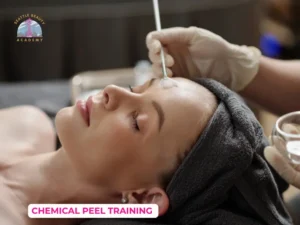
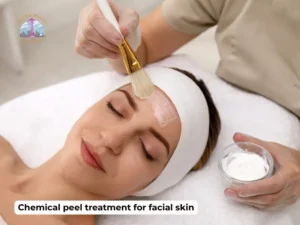
A typical professional chemical peel begins with a consultation and skin assessment. The skin is then cleansed and prepared before the selected solution is applied.
During application, the client may experience sensations such as tingling, warmth, or mild stinging depending on the formulation. The professional monitors the skin throughout the procedure and follows the appropriate timing and removal protocols.
After the treatment, soothing or protective products may be applied according to the treatment protocol. Clients are typically given aftercare instructions designed to protect the skin during recovery.
The exact process varies depending on the type of peel and the professional treatment protocol.
Chemical Peel Aftercare
Aftercare is an important part of achieving a good treatment experience. The skin may be more sensitive following exfoliation, particularly when a stronger peel has been performed.
Clients should follow the specific aftercare instructions provided by their skincare professional. Protecting the skin from excessive sun exposure and using appropriate sun protection is especially important.
Clients may also be advised to temporarily avoid certain potentially irritating products or treatments while the skin recovers. Picking or peeling the skin manually should also be avoided because it can interfere with the natural healing process.
The recovery period depends largely on the type and strength of the peel. Some superficial treatments may involve little visible peeling, while stronger treatments can require more noticeable downtime.
Chemical Peels and Professional Esthetics Education
Chemical peel services are part of a broader field of professional skin care. Understanding exfoliation, skin conditions, product chemistry, sanitation, client consultation, and treatment safety can help aspiring professionals develop a more comprehensive approach to skincare.
For those considering a master esthetician program in washington, studying advanced esthetics can be an opportunity to build knowledge that extends beyond individual treatments.
Education is particularly valuable because effective skincare is not simply about selecting a popular treatment. Professionals need to understand why a particular procedure may be appropriate for one client but unsuitable for another.
Chemical Peels: Treatment or Long-Term Skincare Strategy?
A chemical peel can provide visible improvements, but it should generally be viewed as one component of a broader skincare strategy rather than a standalone solution.
A professional may consider the client’s current skin condition, skincare routine, lifestyle factors, treatment history, and long-term goals when developing a treatment plan. In some cases, a series of appropriately spaced treatments may be considered instead of relying on one aggressive procedure.
Understanding these principles is an important part of learning master esthetician skills. The goal is not simply to perform a peel but to understand the skin well enough to approach professional treatments thoughtfully and responsibly.
Final Thoughts
Chemical peels are versatile professional treatments that can help improve the appearance of skin texture, tone, congestion, and certain signs of aging. From superficial AHA treatments to more intensive professional peels, different formulations are designed for different purposes and levels of exfoliation.
The most effective approach begins with understanding the client’s skin and selecting an appropriate treatment rather than assuming that a stronger peel will always produce better results. Proper consultation, application, aftercare, and sun protection all contribute to a safe and effective treatment experience.
For aspiring skincare professionals, developing a strong understanding of chemical exfoliation is equally important. Knowledge of skin science, ingredients, contraindications, and professional treatment protocols can help estheticians approach chemical peels as part of a comprehensive skincare practice.