


A well-groomed beard is more than a style statement—it reflects the skill and precision of the barber behind it. As men’s grooming services in Washington continue to grow in popularity, beard grooming has become an essential service offered in nearly every modern barbershop. For aspiring barbers, learning beard grooming techniques is no longer optional; it’s a valuable skill that can help attract clients and build a successful career.
At Seattle Beauty Academy (SBA), learning beard grooming techniques is an integral part of our Barber course. Rather than treating beard services as a standalone skill, our program teaches students how beard grooming complements haircutting, client consultations, and professional barbering practices.
Why Beard Grooming Is an Essential Barbering Skill
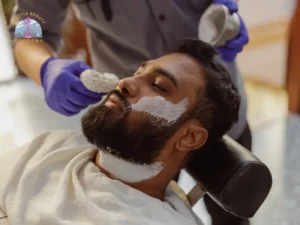
Today’s clients in Washington expect more than a quick trim. Whether they’re maintaining a short beard, creating a defined jawline, or blending their beard into a fade haircut, they want a barber who understands balance, symmetry, and facial aesthetics.
Professional beard services have also become an important source of repeat business. Since beard maintenance typically requires more frequent appointments than haircuts alone, barbers who offer high-quality beard grooming can build long-term relationships with their clients while increasing service opportunities.
Learning these skills during barber school helps students graduate prepared to meet the expectations of today’s grooming industry.
How to Trim and Shape a Beard
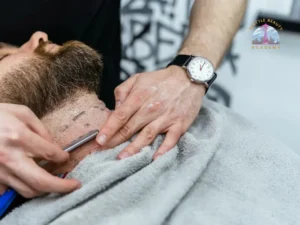
A well-groomed beard starts with the right preparation and a consistent trimming technique. Whether you’re maintaining short stubble or shaping a fuller beard, the goal is to create clean, balanced lines while preserving the beard’s natural growth pattern.
- Wash and Dry the Beard
Start with a clean beard. Wash it with a gentle beard cleanser to remove oil, dirt, and product buildup. Pat the beard dry and allow it to return to its natural shape before trimming. Cutting a wet beard can make it difficult to judge its true length because hair contracts as it dries.
- Comb the Beard Into Place
Use a beard comb or brush to remove tangles and align the hairs in the direction they naturally grow. Comb the sides downward and the mustache away from the center of the face. This makes uneven areas and stray hairs easier to identify.
- Choose the Right Length
Select a clipper guard based on the desired beard length. If you’re unsure, start with a longer guard and gradually work shorter. Trim both sides of the beard evenly, working in controlled passes rather than repeatedly going over the same area.
- Shape the Sides and Jawline
Follow the natural contours of the face when shaping the beard. Keep the sides balanced and avoid removing too much hair from the cheek area. For a fuller beard, preserve some natural density around the jaw and chin to maintain proportion.
- Define the Neckline
The neckline has a major effect on the finished appearance. A common approach is to establish the neckline slightly above the Adam’s apple and follow a natural curve toward each side of the jaw. Avoid setting the line too high, which can make a full beard appear unnaturally narrow.
- Clean Up the Cheek Line
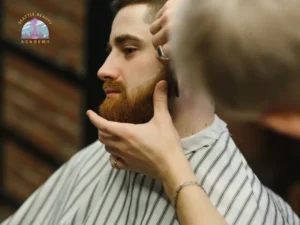
Remove isolated hairs above the desired cheek line with a trimmer or razor. Keep the line natural rather than creating an unnecessarily sharp or artificial shape. The appropriate cheek line depends on the beard’s natural growth pattern and the client’s preferred style.
- Trim the Mustache and Finish the Edges
Comb the mustache downward and carefully remove hairs that extend over the upper lip if that style is desired. Use a precision trimmer to clean around the lips, corners of the mouth, neckline, and other edges.
- Check for Balance
Finally, inspect the beard from multiple angles. Compare both sides of the face and look for uneven lengths, stray hairs, or areas that need additional blending. Make small adjustments rather than taking off more hair than necessary.
Professional beard grooming techniques require control, symmetry, and an understanding of facial proportions. With practice, these steps can help create a cleaner, more polished beard while preserving the client’s individual style.
Beard Grooming Techniques for Different Beard Types
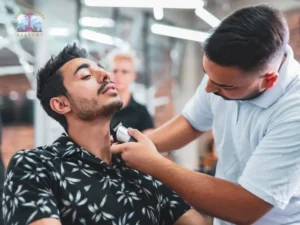
The right beard grooming technique depends on hair length, texture, density, and the desired style. A trimming approach that works well for short stubble may not produce the same results on a long, curly, or patchy beard. Understanding these differences helps create a more balanced and professional finish.
- Short Beard
Short beards benefit from regular trimming to maintain an even length and clean outline. Use a suitable clipper guard to control the overall length, then define the neckline and cheek line with a precision trimmer. Combing the beard before trimming helps identify uneven areas and stray hairs.
- Long or Full Beard
Long and full beards require more attention to shape and proportion than simply removing excess length. Comb the beard thoroughly before trimming, then remove split or uneven ends with scissors or a controlled clipper technique. Maintain the natural fullness around the chin and jaw while keeping the neckline and cheek area clean.
- Stubble
Stubble is relatively short but still needs consistent maintenance. Use a trimmer with a low guard to maintain an even length across the face. Clean up the neckline and cheek line to give short facial hair a deliberate, polished appearance.
- Curly Beard
Curly beards can appear shorter and less uniform because the hair contracts as it curls. Avoid removing too much length during the initial trim. Comb or brush the beard into its natural position and use scissors or a controlled trimming technique to preserve shape while reducing bulk where necessary.
- Patchy Beard
With a patchy beard, the goal is to create the appearance of greater balance rather than simply cutting everything to the shortest area. Keeping the beard at a consistent, manageable length can help minimize the visual contrast between fuller and thinner areas. A well-defined neckline and cheek line can also make the overall style look more intentional.
- Mustache or Goatee
Mustaches and goatees require precise trimming because small changes can significantly affect the appearance of the style. Keep the mustache evenly shaped and clean around the upper lip. For a goatee, pay close attention to symmetry around the mouth and chin while maintaining clean transitions between the facial-hair sections.
Common Beard Grooming Mistakes
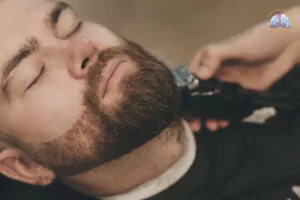
Even a simple beard trim can go wrong when basic grooming principles are overlooked. Understanding common mistakes helps barbers and at-home groomers achieve cleaner results and avoid unnecessary damage to the beard or skin.
- Cutting Too Much Length at Once
One of the most common mistakes is removing too much hair during the first pass. It’s easier to shorten a beard gradually than to correct a trim that has gone too short. Starting with a longer clipper guard gives you more control over the final length.
- Setting the Neckline Too High
A neckline that sits too high can make the beard look thin or disconnected from the jaw. Instead of following an arbitrary straight line, consider the client’s natural neck and jaw contours when establishing the neckline.
- Making the Cheek Line Too Sharp
Although a defined cheek line can create a polished appearance, removing too much natural growth can make the beard look artificial. A good beard shape should complement the client’s facial structure rather than completely changing the natural growth pattern.
- Trimming Without Combing First
Beard hairs can grow in different directions, particularly in longer or curly beards. Trimming without first combing or brushing the hair into position can produce uneven results. Always align the hair before determining what needs to be removed.
- Using Dull or Poorly Maintained Tools
Dull clipper blades, trimmers, or scissors can pull hair instead of cutting cleanly. Professional grooming tools should be cleaned, disinfected as appropriate, and maintained regularly to support precise work and good hygiene.
- Ignoring the Skin Under the Beard
Beard grooming isn’t only about the hair. Dryness, product buildup, and irritation underneath the beard can affect the overall appearance and comfort. Proper cleansing and appropriate skin and beard-care products should be part of the grooming routine.
- Trying to Make Both Sides Perfectly Identical
Facial features are naturally asymmetrical, so forcing both sides of a beard to be mathematically identical can sometimes make the finished shape look less natural. The objective is visual balance and proportion rather than absolute symmetry.
- Skipping the Final Inspection
A beard can look different from different angles. Before finishing a trim, inspect the front, sides, jawline, neckline, and mustache. A final check helps catch stray hairs and uneven areas that may have been missed during the initial trimming process.
Learn Beard Grooming Through Hands-On Practice in Barber Program
Barbering is a hands-on profession, and practical experience is one of the most valuable parts of your education.
At Seattle Beauty Academy, students have opportunities to practice beard grooming techniques with real clients under instructor guidance while developing the confidence needed to work. As students progress through the Barber program in Washington, they learn to improve precision, consistency, efficiency, and attention to detail.
Barber hands-on training also helps students become comfortable using professional barbering tools and understanding when to apply different techniques based on individual client needs.
Start Your Barbering Journey in Washington today!
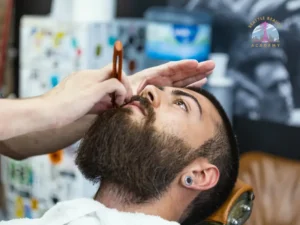
The barbering industry in Washington offers a variety of career paths for individuals who enjoy working with people and developing technical skills.
Graduates who are confident in beard grooming and other barbering techniques may pursue opportunities, Read our breakdown of Barber career guidance in Washington
At Seattle Beauty Academy, beard grooming is taught as part of our comprehensive Barber course in Washington, giving students the opportunity to develop hands-on skills in beard shaping, fading, detailing, and client consultation while preparing for a rewarding career in the grooming industry.
If you’re ready to train at one of the trusted Washington barber schools, explore our barber program and discover how hands-on education can help you turn your passion into a profession.