


Choosing a nail technology program in Washington is an important decision if you want to turn your interest in nails into a professional career. The right school should help you develop technical skills, gain confidence working with clients, understand professional standards, and prepare for life after graduation.
But how do you know which program is right for you?
Tuition, program length, and location are important, but they are not the only things to consider. The learning environment, instructors, hands-on experience, communication, and connection to real salon work can have a major impact on your education.
If you are considering a nail technology program in Washington, here are 10 questions to ask before enrolling—and what to look for in a quality program.

1. Does the Program Provide Hands-On Experience?
Nail technology is a hands-on profession. You can study techniques in a textbook or watch countless online videos, but developing professional skills requires practice.
When comparing programs, ask how much time students spend actually practicing nail services.
Look for opportunities to develop skills through practical training, including:
- Manicure services
- Pedicure services
- Nail preparation
- Nail enhancement techniques
- Product application
- Sanitation procedures
- Client consultation
- Professional service routines

- Why a Real Salon Environment Matters:
There is another question that is worth asking: Does the school feel like a classroom, or does it give you experience that resembles working in a real salon?
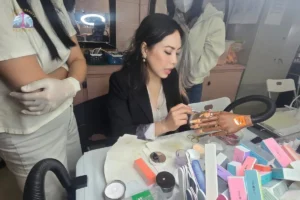
At Seattle Beauty Academy, the Nail Technology Program provides a real salon-style learning environment, allowing students to experience what it is like to work as a professional nail technician.
This approach gives students an opportunity to become familiar with the pace, client interactions, service procedures, and professional expectations they may encounter after graduation.
Learning techniques is important. Learning how those techniques fit into a real working environment is equally valuable.
2. What Does the Curriculum Cover?
Before enrolling, ask for a detailed overview of the curriculum.
A quality nail technology program should provide a well-rounded foundation rather than focusing on only one or two popular techniques.
Depending on the program, areas of study may include:
- Natural nail care
- Manicure and pedicure services
- Nail enhancements
- Nail art
- Product knowledge
- Sanitation and safety
- Client consultation
- Professional practices
It’s also worth considering whether the curriculum supports your long-term goals.
If you eventually want to work in a salon, build your own clientele, or open a nail business, look for education that prepares you for more than simply performing a service.
3. Will You Learn in a Language You Understand Comfortably?
Language can make a significant difference when learning a technical skill.
Nail technology involves detailed instructions, demonstrations, terminology, sanitation procedures, and communication with clients. If you are struggling to understand the language being used in class, it can make learning more difficult.
When choosing a school, ask whether instruction is available in a language you are comfortable learning in.
- A Multilingual Learning Environment:
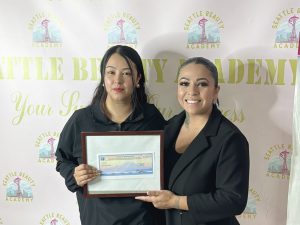
Seattle Beauty Academy offers a multilingual Nail Technology Program taught in English, Spanish, and Vietnamese.
This gives students the opportunity to learn in a language that may make technical concepts, instructions, and communication easier to understand.
For students who speak English as a second language, having access to instruction in Spanish or Vietnamese can make the learning experience more accessible and comfortable.
A supportive learning environment should help students focus on developing their professional skills rather than feeling limited by language barriers.
4. Who Are the Instructors?
Your instructors can have a major influence on your development as a nail technician.
Don’t only ask whether instructors are experienced. Ask how they work with students.
For example:
- Do instructors demonstrate techniques clearly?
- Do they observe students while they practice?
- Can you ask questions when you are unsure?
- Will they provide individual feedback?
- What happens when you struggle with a technique?
Technical skills often improve through correction and repetition. Having an instructor identify a problem early can help prevent a small mistake from becoming a long-term habit.
Experienced Instructors Who Support Students:
At Seattle Beauty Academy, experienced instructors bring not only professional knowledge but also a passion for teaching and student development.
Rather than leaving students to figure everything out independently, instructors follow students throughout their training and provide guidance as they progress.
This kind of support can be especially valuable for beginners who are still developing confidence with professional nail services.
5. Does the Program Prepare You for Professional Salon Life?
Knowing how to perform a manicure is only one part of becoming a nail technician.
Working professionally also requires you to understand how to:
- Communicate with clients
- Manage service time
- Maintain a professional workstation
- Follow sanitation procedures
- Understand client expectations
- Provide consistent services
- Work efficiently
- Conduct yourself professionally
This is another reason a salon-style learning environment can be valuable.
The closer your training experience is to the environment you expect to work in, the more opportunities you have to become familiar with professional routines before beginning your career.
6. Does the School Support Different Learning Needs?

Not every student learns at the same pace.
Some students may quickly understand a technique after a demonstration, while others may need additional explanation and practice.
When comparing schools, consider whether instructors are accessible when you need help.
A supportive school should give students opportunities to:
- Ask questions
- Practice techniques repeatedly
- Receive feedback
- Correct mistakes
- Build confidence over time
At Seattle Beauty Academy, instructors work closely with students throughout their education rather than treating training as a one-size-fits-all experience.
7. Does the Program Help Prepare You for Washington’s Licensing Process?
Before enrolling, make sure you understand how the program fits into Washington’s professional licensing requirements.
Ask the school:
- What education requirements does the program address?
- How does the program prepare students for the next steps?
- What should students do after completing their training?
- What licensing responsibilities remain after graduation?
Understanding the complete path—from education to becoming a working nail professional—can help you plan your career more effectively.
Seattle Beauty Academy’s Manicure Program is designed to give students a professional foundation while preparing them for their next steps in the nail industry.

8. What Is the Learning Environment Like?
The environment where you learn can influence your confidence and professional development.
When researching beauty schools in Washington, consider visiting the campus if possible.
Pay attention to:
- How instructors interact with students
- How practical training is organized
- Whether the environment feels professional
- Whether students have opportunities to practice
- Whether the classroom reflects real salon conditions
- Whether you feel comfortable asking questions
For aspiring nail technicians, a professional environment can help bridge the gap between being a student and becoming a working technician.
At Seattle Beauty Academy, students learn in a salon-style environment designed to give them exposure to the experience of working in the nail industry.
9. Does the Program Support Your Long-Term Career Goals?
Think about where you want your nail career to go.
You might want to:
- Work at a nail salon
- Work as an independent nail technician
- Open a nail salon after graduation
- Build a loyal client base
- Develop a specialty
- Eventually open your own nail salon
Your first goal may simply be to become a confident nail technician, but your education can become the foundation for your future plans.
If entrepreneurship is your long-term goal, for example, you’ll eventually need to develop skills beyond nail services, including client relationships, scheduling, business organization, marketing, and financial management.
A strong technical foundation can give you more flexibility as your career develops.

10. Can You See Yourself Growing at the School?
Finally, ask yourself a simple question:
Can I see myself learning, practicing, and growing in this environment?
Choosing a nail technology program is not just about comparing tuition or program length. You are choosing the environment where you will develop the skills that form the foundation of your career.
Consider whether the school offers:
- Hands-on salon experience
- Supportive instructors
- Practical professional training
- A learning environment where you feel comfortable
- Instruction that works for your language needs
- Education that aligns with your career goals
For many students, these factors can be just as important as the technical curriculum itself.
Start Your Nail Career With the Right Foundation
Choosing a nail technology program is an investment in your future. The right program should help you develop technical skills while also giving you the confidence and professional experience needed to work with real clients.
For students in Washington, Seattle Beauty Academy’s Nail Technology Program combines hands-on education with a real salon-style learning environment. Students can learn in English, Spanish, or Vietnamese, while experienced and passionate instructors provide guidance throughout their training.
Whether your goal is to begin working as a nail technician, build your own clientele, or eventually open a nail salon, choosing an education that supports your development at every step can help you build a stronger foundation for your career.
If you’re researching nail schools in Washington, take the time to visit the school, ask questions, understand the learning environment, and choose a program where you can see yourself growing into the professional you want to become.