


A professional hair stylist is more than someone who cuts and styles hair. They are trained beauty professionals who combine technical expertise, creativity, and client communication to help people look and feel their best. Whether performing precision haircuts, creating customized color transformations, or recommending treatments for healthier hair, professional hair stylists play an important role in the beauty industry.
If you’re passionate about beauty, fashion, and working with people, becoming a professional hair stylist can lead to a rewarding and creative career. With the right education and hands-on training, you can develop the confidence and skills needed to work in salons, spas, beauty studios, or even start your own business.

What Does a Professional Hair Stylist Do?
A professional hair stylist provides a wide range of services designed to improve a client’s appearance while maintaining healthy hair and scalp conditions.
Common responsibilities include:
- Hair cutting for different hair types and face shapes
- Blow-drying and professional styling
- Hair colouring, highlights, balayage, and colour correction
- Chemical services such as perms and relaxing treatments
- Deep conditioning and scalp treatments
- Hair extensions and special occasion styling
- Client consultations and personalised recommendations
- Maintaining sanitation and workplace safety standards
Successful stylists also stay informed about the latest beauty trends, products, and techniques so they can offer clients modern, high-quality services.
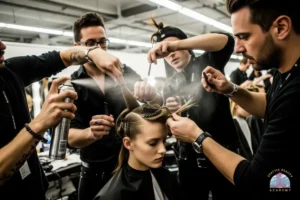
Skills Every Professional Hair Stylist Needs
Technical ability is only one part of becoming a successful hair stylist. The best professionals also develop strong interpersonal and business skills. Essential skills include:
Technical Hair Skills
Professional training teaches students how to:
- Precision haircutting
- Hair coloring techniques
- Color theory
- Chemical texture services
- Hair styling for different occasions
- Hair and scalp analysis
- Product knowledge
Creativity
Every client has unique preferences. Professional hair stylists use creativity to recommend styles that complement facial features, hair texture, and lifestyle.
Communication
Listening carefully to clients helps ensure expectations are understood before any service begins. Strong communication also builds long-term client relationships.
Attention to Detail
Small details can make a significant difference in haircut precision, colour placement, and finishing techniques.
Time Management
Professional stylists often serve multiple clients throughout the day, making organisation and efficiency valuable workplace skills.

Why Professional Training Matters
While some people learn basic styling techniques independently, becoming a professional hair stylist requires structured education and supervised practice.
A quality hair design program helps students:
- Learn industry-standard techniques
- Practize on real clients under instructor supervision
- Understand safety and sanitation procedures
- Build confidence before entering the workforce
- Prepare for state licensing requirements
Hands-on experience is especially valuable because it allows students to develop technical precision while learning how to communicate effectively with clients.
How to Become a Professional Hair Stylist
Although licensing requirements vary by state, the typical pathway includes several important steps.
1. Complete Professional Hair Training
Enroll in a licensed beauty school that provides comprehensive instruction in haircutting, coloring, styling, sanitation, and client care.
2. Gain Practical Experience
Practical training allows students to apply classroom knowledge while working with real clients in a supervised learning environment.
3. Meet State Licensing Requirements
Graduates must complete the required education and satisfy the licensing requirements established by their state’s regulatory board before legally practicing as a professional.
4. Continue Learning
The beauty industry changes constantly. Continuing education helps stylists stay current with new products, coloring techniques, cutting methods, and fashion trends.
Career Opportunities for Professional Hair Stylists
A professional hair stylist can pursue a variety of career paths within the beauty industry.
Popular opportunities include:
- Hair salon stylist
- Luxury salon professional
- Spa stylist
- Bridal and special event hairstylist
- Hair color specialist
- Salon manager
- Platform artist or educator
- Product sales representative
- Salon owner
- Freelance hair stylist
As experience grows, many professionals develop a loyal client base and specialise in advanced colouring, texture services, or editorial styling.
Why Choose Seattle Beauty Academy?
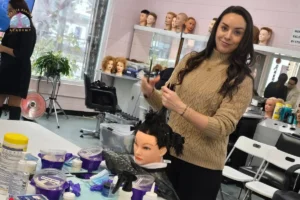
At Seattle Beauty Academy, students receive career-focused education designed to prepare them for success in the beauty industry.
Our Licensed Hair Design Program combines classroom instruction with extensive hands-on practice so students can build confidence while developing professional-level skills.
Students learn:
- Haircutting techniques
- Hair colouring fundamentals
- Hair styling
- Chemical services
- Hair and scalp care
- Safety and sanitation
- Client consultation
- Professional salon practices
Our experienced instructors provide guidance throughout the learning process, helping students strengthen both technical abilities and professional confidence.
Whether your goal is to work in a salon, specialize in hair color, or eventually own your own business, professional education can provide the foundation needed to begin your career.
Frequently Asked Questions
What is a professional hair stylist?
A professional hair stylist is a trained beauty professional who cuts, colours, styles, and treats hair while providing personalized recommendations based on each client’s needs.
Do I need professional training to become a hair stylist?
In most cases, yes. Professional education provides the technical skills, practical experience, and preparation needed to meet state licensing requirements and begin working in the beauty industry.
What skills should a professional hair stylist have?
Successful hair stylists combine technical abilities, creativity, communication, customer service, attention to detail, and a commitment to continuous learning.
Is being a professional hair stylist a good career?
Many people choose this profession because it offers creativity, opportunities to build lasting client relationships, and multiple career paths within the beauty industry.
Begin Your Journey as a Professional Hair Stylist
If you’re passionate about creativity, beauty, and helping people feel confident, becoming a professional hair stylist could be the perfect career choice.
Seattle Beauty Academy’s Hair Design Program provides the knowledge, practical training, and industry-focused education needed to prepare students for a successful future in the beauty industry.
Contact our admissions team today to learn more about our Hair Design Program and take the first step towards your new career.