Choosing a career in the beauty industry often starts with an important decision: Should you pursue esthetics or cosmetology? Although both professions focus on beauty, personal care, and client satisfaction, they involve different areas of expertise, training requirements, and career opportunities.
Understanding the differences between esthetics and cosmetology can help you choose an educational pathway that matches your interests and long-term career goals.
In Washington State, these are also two separate professional licensing pathways. Esthetics focuses primarily on skincare and skin treatments, while cosmetology provides broader training in hairstyling, hair services, and other beauty-related skills.
Let’s compare their curricula, training hours, licensing requirements, and career opportunities to help you make an informed decision.
1. What Is the Difference Between Esthetics and Cosmetology?

The main difference between esthetics and cosmetology is their area of specialization.
Esthetics focuses on skincare, facial treatments, skin analysis, hair removal, and other services related to skin health and appearance. Estheticians develop specialized knowledge of skin types, common skin conditions, cosmetic products, and professional skincare techniques.
Cosmetology provides broader beauty training, with a strong emphasis on hair cutting, coloring, styling, and chemical hair services. Depending on the curriculum and applicable licensing scope, cosmetology education also covers foundational knowledge of skincare, nails, sanitation, and client services.
Here is a quick comparison:
| Area | Esthetics | Cosmetology |
|---|---|---|
| Primary focus | Skincare and facial treatments | Hair and broader beauty services |
| Main practical skills | Facials, skin analysis, waxing | Hair cutting, coloring, styling |
| Training specialization | Skin and skincare techniques | Comprehensive beauty training |
| Washington school hours | 750 hours | 1,600 hours |
| Licensing pathway | Esthetician | Cosmetologist |
| Typical workplaces | Spas, skincare studios, salons | Hair salons and beauty businesses |
Neither profession is inherently better than the other. The right choice depends on the services you want to specialize in and the type of clients you hope to serve.
2. Esthetics vs. Cosmetology: What Will You Learn?
Although both educational pathways include professional theory, sanitation, safety, and hands-on practice, their practical training focuses on different skills.

What Do You Learn in an Esthetics Program?
- Skin Anatomy & Physiology
Understanding skin structure, conditions, and how skin responds to treatments. - Facial Treatments & Skin Therapies
Cleansing, exfoliation, masks, and rejuvenation techniques. - Advanced Skincare Techniques
Chemical peels, microdermabrasion, LED therapy, and corrective treatments. - Hair Removal Services
Waxing, threading, and depilation methods. - Professional Makeup Application
Day, evening, and corrective makeup techniques. - Spa & Wellness Services
Aromatherapy, relaxation treatments, and holistic skincare approaches.
Hands-on training is particularly important because estheticians need to develop practical skills in client consultations, skin assessments, and treatment techniques.
Students interested in skincare, facial services, and personalized beauty treatments may find this pathway particularly appealing.
What Do You Learn in a Cosmetology Program?
A cosmetology curriculum provides broader training across professional beauty services, particularly hair care and hairstyling.
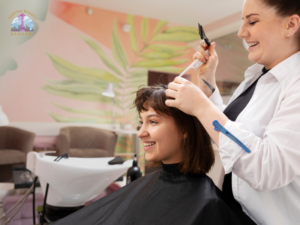
Core Cosmetology Training Includes:
- Hair Cutting & Styling
Precision cutting, blowouts, thermal styling, and creative designs. - Hair Coloring & Chemical Treatments
Highlights, balayage, perms, relaxers, and color correction. - Nail Care & Nail Artistry
Manicures, pedicures, enhancements, and nail design. - Basic Skincare Services
Facials and skin treatments (less advanced than esthetics training). - Salon Management & Business Skills
Client consultation, retail strategies, and salon operations. - State Licensing Preparation
Training aligned with Washington cosmetology training hours and exams.
Cosmetology students need to develop both technical and creative skills. They must understand how to perform beauty services while adapting techniques to different hair types, textures, and client preferences.
This pathway may be suitable for people who enjoy hairstyling, working with different beauty techniques, and building a versatile career in the salon industry.
3. How Many Training Hours Are Required in Washington State?
Training hours are another important difference between esthetics and cosmetology.
According to the Washington State Department of Licensing (DOL), students completing an approved school program must meet the following minimum education requirements:
| Licensing pathway | Minimum school hours |
|---|---|
| Esthetician | 750 hours |
| Cosmetologist | 1,600 hours |
The difference reflects the broader scope of cosmetology training compared with the specialized focus of esthetics.
At Seattle Beauty Academy, the Esthetics Program consists of 750 hours, while the Cosmetology Program consists of 1,600 hours.
Students should also understand that completing the required training hours is only one part of the licensing process.
In Washington, applicants must complete the required education, pass the applicable written and practical examinations, and submit their license application to the Department of Licensing.
For the latest requirements, visit the Washington State Department of Licensing.
4. Esthetics vs. Cosmetology: Career Paths Compared
Your choice of program can influence the professional services you are trained and licensed to provide.
1. Career Opportunities for Estheticians
 Licensed estheticians commonly pursue careers in environments specializing in skincare and personal care services, including:
- Day spas and wellness centers
- Skincare studios
- Beauty salons offering esthetics services
- Resorts and hospitality spas
- Independent skincare businesses
Their work may involve facial treatments, skincare consultations, waxing, and other services within their professional scope of practice.
Estheticians who want to develop their expertise further may also explore additional education and the Master Esthetician licensing pathway in Washington.
2. Career Opportunities for Cosmetologists

Cosmetologists have a broader beauty-service training foundation, particularly in hair services.
Potential career opportunities include:
- Professional hairstylist
- Hair color specialist
- Salon stylist
- Salon business owner
- Independent beauty professional
With additional experience and business knowledge, cosmetologists may develop their own client base, manage salon operations, or establish an independent beauty business.
The best career direction depends on your technical interests, professional goals, and preferred working environment.
5. Which Program Should You Choose?
Still unsure whether esthetics or cosmetology is right for you? Start by considering the type of work you would enjoy doing every day.
Choose esthetics if you:
- Are passionate about skincare and skin health.
- Enjoy facial treatments and personalized skincare services.
- Like learning about cosmetic ingredients and skin conditions.
- Prefer specializing in skincare and wellness.
- Want to develop a career focused on skin treatments and client consultations.
Choose cosmetology if you:
- Enjoy hairstyling, hair coloring, and creative techniques.
- Like working with different hair types and styles.
- Want broader training in professional beauty services.
- Are interested in working in a hair salon.
- Hope to build a versatile career in the beauty industry.
Before enrolling, consider the curriculum, training schedule, tuition, licensing preparation, and practical experience offered by each school.
You should also make sure the school is approved to provide the training required for your intended Washington State license.
6. Frequently Asked Questions About Esthetics vs. Cosmetology
- Is esthetics easier than cosmetology?
Neither program is automatically easier. Esthetics requires specialized knowledge of skin anatomy, skincare products, and facial treatments. Cosmetology involves a broader range of technical skills, including haircutting, coloring, and chemical hair services. Your experience will depend on your interests, learning style, and commitment to practice.
2. Can an esthetician perform cosmetology services?
An esthetician’s license does not automatically authorize all cosmetology services. In Washington, professional services are regulated according to the specific license and its permitted scope of practice. Anyone planning to provide additional services should verify the licensing requirements with the Department of Licensing.
3. How many hours does it take to become an esthetician in Washington?
The minimum school-training requirement for an esthetician license in Washington is 750 hours. Applicants must also meet the applicable examination and licensing requirements.
4. How many hours does it take to become a cosmetologist in Washington?
The minimum school-training requirement for a cosmetologist license in Washington is 1,600 hours. Students must also pass the required examinations and complete the licensing application process.
5. Can I pursue esthetics after completing cosmetology?
Yes, you can pursue an additional professional license. However, completing cosmetology training does not automatically grant an esthetician license. You must meet the applicable education, examination, and licensing requirements for esthetics.
7. Start Your Beauty Career with the Right Training
Choosing between esthetics and cosmetology is an important step toward building a career in the beauty industry.
If you enjoy skincare, facial treatments, and personalized skin services, esthetics may be the right direction. If you are interested in hairstyling, coloring, and a broader range of beauty services, cosmetology may be a better fit.
At Seattle Beauty Academy, students can explore both educational pathways through structured theory instruction and hands-on training.
Learn more about the programs:
- Explore the Esthetics Program at Seattle Beauty Academy
- Explore the Cosmetology Program at Seattle Beauty Academy
Take time to compare the curriculum, understand the licensing requirements, and choose the training pathway that supports your professional goals.