


For many immigrants in Washington, pursuing a career in the beauty industry is an opportunity to build new skills, achieve professional independence, and connect with their communities. However, language barriers can make it difficult to access professional education, understand technical terminology, and prepare for licensing requirements.
Bilingual nail technician training can help make beauty education more accessible to students from different language backgrounds. When students can receive language support while learning practical skills, they may feel more confident understanding lessons, following safety procedures, and preparing for a future career.
At Seattle Beauty Academy, we recognize that students come from diverse backgrounds and language communities. Creating a supportive learning environment is an important part of helping aspiring nail technicians take their next steps in the beauty industry.
Why Bilingual Nail Tech Education Matters for Immigrant Communities
Learning a new profession involves more than memorizing techniques. Students must understand specialized terms, follow detailed instructions, and apply what they learn in practical situations.
For students whose first language is not English, language barriers can make these tasks more challenging. Bilingual instruction and language support can help bridge that gap.
Here are some ways bilingual education can support aspiring nail technicians:
- Understanding technical concepts: Students can better understand nail anatomy, manicure procedures, products, and professional terminology when explanations are accessible to them.
- Building confidence: Language support can make it easier for students to ask questions, participate in class, and practice new techniques.
- Learning sanitation and safety: Understanding disinfection, sanitation, and workplace safety instructions is essential for protecting both nail technicians and clients.
- Preparing for professional communication: Students can develop the skills needed to communicate with clients from different backgrounds.
Accessible education can help immigrant students focus on developing their technical abilities while building the knowledge needed to enter the beauty industry.
Real Stories of Seattle Beauty Academy’s Students
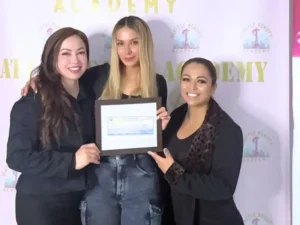
1. Angelica’s Journey: A Spanish student moved to Washington
Every student has a different reason for pursuing a career in the beauty industry. For some, nail technician training represents a chance to develop a professional skill and create new opportunities.
Angelica’s experience reflects how a supportive educational environment can make a difference. As a Spanish-speaking student, she found that the learning experience helped her develop her skills and move toward becoming a professional nail technician.
Her story illustrates the importance of making beauty education accessible to students who may face language barriers when entering a new field.

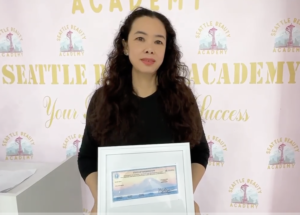
2. Loan Pham’s Journey: A Vietnamese Student Achieving Her Goal
As a Vietnamese student at Seattle Beauty Academy, Loan Pham represents the determination and ambition of immigrants pursuing new career opportunities in the United States. Through her dedication and practical learning, Loan proudly earned her Washington State manicurist license. Her achievement is a meaningful milestone and an inspiration to other Vietnamese students and immigrants who hope to turn their passion for nail care into a professional career.
What Students Learn in a Manicure Program
A manicure program introduces students to the foundational knowledge and practical techniques needed for nail care services. Specific coursework may vary by school and program, but training commonly covers several important areas.
Nail anatomy and nail health: Students learn about the structure of the natural nail and basic nail conditions.
Manicure and pedicure techniques: Students develop practical skills for performing nail care services and maintaining professional service standards.
Tools and products: Students become familiar with manicure implements, equipment, and products used in nail services.
Sanitation and disinfection: Students learn procedures for maintaining clean work areas, handling implements, and protecting clients.
Client care and communication: Students develop an understanding of client consultations, service expectations, and professional interaction.
For students from immigrant communities, accessible explanations of these subjects can make it easier to understand the purpose behind each procedure and apply the knowledge during hands-on practice.
Understanding Nail Technician Licensing Requirements in Washington State
Students planning to become licensed nail technicians in Washington should understand the state’s education and examination requirements.
According to the Washington State Department of Licensing, applicants pursuing a manicurist license must meet the applicable requirements, which include:
- Be at least 17 years old.
- Complete 600 hours of training at an approved school, or complete the approved apprenticeship pathway, which requires 2,000 hours.
- Pass the required state-approved written and practical examinations.
Requirements can change, so students should review the latest information directly through the Washington State Department of Licensing.
Understanding these requirements early can help students plan their education and prepare for the licensing process.
How Bilingual Manicure Training Improves Safety & Client Trust
Understanding sanitation, infection control, and ethical practices is essential. When students learn in their native language, they’re more likely to:
- Comply with health regulations
- Avoid costly mistakes
- Build trust with clients and employers
- This isn’t just good for business—it’s good for public health.
Choosing the Right Nail School as an Immigrant Student
Choosing a beauty school is an important decision, especially when you are learning in a new language or adapting to a new educational environment.
Before enrolling, consider the following:
- Language support: Ask whether instructors can explain important concepts in a language you understand and what language support is available.
- Hands-on training: Look for a program that provides opportunities to practice techniques and develop practical skills.
- Sanitation and safety education: Make sure the curriculum covers professional hygiene, disinfection, and safety procedures.
- Licensing preparation: Ask how the program helps students understand Washington’s licensing requirements and prepare for the required examinations.
- Learning environment: Consider whether the school provides a welcoming environment where students feel comfortable asking questions and developing their skills.
Taking time to research your options can help you choose a program that supports your educational goals.
Start Your Nail Technician Journey at Seattle Beauty Academy

Building a new career in the beauty industry can be an exciting opportunity, regardless of where your journey begins.
At Seattle Beauty Academy, we recognize that students come from different backgrounds, experiences, and language communities. Creating a supportive educational environment helps students focus on developing their skills and preparing for professional opportunities.
Seattle Beauty Academy students have achieved a 95% exam pass rate*, reflecting the importance of focused training and exam preparation.
Whether you are beginning your first manicure training program or exploring a new career path, learning more about your educational options is a valuable first step.
Explore our Manicure Program to discover training opportunities, program details, and enrollment information.
Contact the Seattle Beauty Academy admissions team: admission@seattlebeautyacademy.com to discuss your goals and learn more about available student support.
Frequently Asked Questions (FAQs)
1. Can immigrants become licensed nail technicians in Washington?
Yes. Immigrant students can pursue a Washington manicurist license if they meet the state’s education, examination, and licensing requirements. Applicants must meet the minimum age requirement, complete an approved education pathway, and pass the required examinations.
2. Can I study nail technology if English is not my first language?
Yes. Your first language does not automatically prevent you from pursuing nail technician education. However, language support varies by school. Contact the school to confirm which languages instructors can support.
3. What is bilingual nail technician training?
Bilingual nail technician training incorporates support in more than one language to help students understand technical terminology, practical instructions, and professional concepts during their education.
4. How many hours are required to become a licensed nail technician in Washington?
The approved school pathway requires at least 600 hours of manicuring training. The approved apprenticeship pathway requires 2,000 hours. Applicants must also pass the required practical and written examinations.
5. Why is language support important in nail technician education?
Language support can help students understand professional terminology, follow practical demonstrations, communicate with instructors, and learn important sanitation and safety procedures.
6. How can I find a nail school that supports immigrant students?
Research schools that offer practical training, clear licensing guidance, and accessible communication with instructors. Ask about available language support, curriculum details, tuition, and enrollment requirements before making a decision.