

Makeup is much more than applying foundation and lipstick. Different types of makeup are designed for different purposes, from creating a natural everyday look to preparing someone for a wedding, photoshoot, stage performance, or special event. Each makeup style also requires specific products, techniques, and tools to achieve the desired result.
Understanding the different types of makeup can help beginners build a practical makeup routine and help aspiring beauty professionals recognize which techniques are appropriate for different clients and occasions.
Here are 13 common types of makeup, along with their functions and essential tools.
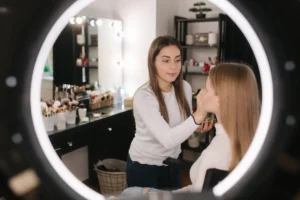
1. Natural Makeup
Natural makeup focuses on enhancing the person’s existing features while keeping the overall appearance soft and subtle. It typically uses lightweight foundation or tinted moisturizer, neutral eyeshadow, soft blush, and a natural lip color.
Function: Create a fresh, polished appearance without making the makeup look heavy.
Essential tools: Beauty sponge, foundation brush, fluffy eyeshadow brush, angled brow brush, and lip brush.
2. Everyday Makeup
Everyday makeup is designed for regular activities such as work, school, shopping, or social outings. It is generally practical, comfortable, and easy to maintain throughout the day.
Function: Even out the complexion and define the eyes, brows, cheeks, and lips for a finished daily appearance.
Essential tools: Foundation brush or sponge, powder brush, blush brush, mascara wand, and eyebrow brush.
3. Bridal Makeup
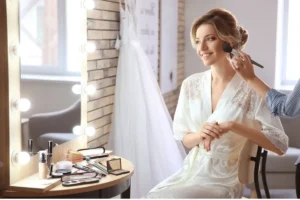
Bridal makeup is created for weddings and often needs to look beautiful both in person and in photographs. It may involve long-wearing foundation, waterproof eye products, carefully blended eyeshadow, and a lip color selected to complement the overall bridal look.
Function: Create a polished, long-lasting look that photographs well and suits the bride’s personal style.
Essential tools: Foundation sponge, concealer brush, blending brushes, precision eyeshadow brushes, lash applicator, and setting spray.
4. Evening Makeup
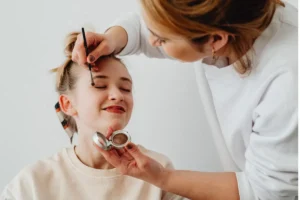
Evening makeup is usually more defined than daytime makeup. Deeper eyeshadow, stronger eyeliner, sculpted cheeks, and more noticeable lip colors are commonly used.
Function: Add definition and dimension for dinners, parties, formal events, and nighttime occasions.
Essential tools: Contour brush, angled blush brush, eyeshadow blending brushes, eyeliner brush, and highlighter brush.
5. Glam Makeup
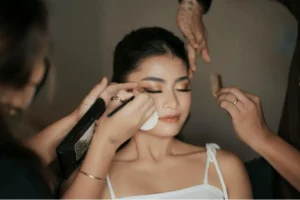
Glam makeup emphasizes dramatic features and a highly polished finish. It may include full-coverage foundation, contouring, false lashes, shimmer or metallic eyeshadow, and a defined lip.
Function: Create a bold, sophisticated appearance suitable for special events, parties, performances, and photos.
Essential tools: Dense foundation brush, beauty sponge, contour brush, detailed eyeshadow brushes, lash applicator, and lip brush.
6. Airbrush Makeup
Airbrush makeup uses an airbrush device and compressor to apply makeup in a fine, controlled mist. Instead of traditional brushes or sponges, the makeup is sprayed onto the skin in thin layers.
Function: Produce an even, lightweight finish that is often used for bridal makeup, photography, television, and special events.
Essential tools: Airbrush gun, compressor, airbrush makeup products, cleaning solution, and appropriate stencils or shields when needed.
7. HD Makeup
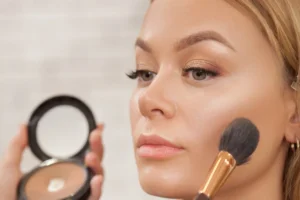
HD, or high-definition makeup, is designed with cameras and high-resolution photography in mind. The goal is to create a smooth-looking complexion without excessive visible texture or heavy product buildup.
Function: Help the skin appear even and refined under high-resolution cameras and lighting.
Essential tools: Foundation brush, damp beauty sponge, fine-detail brushes, blending brushes, and setting powder.
8. Editorial Makeup
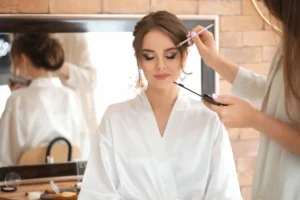
Editorial makeup is commonly seen in fashion magazines, beauty campaigns, runway shows, and creative photoshoots. It allows artists to experiment with unusual colors, shapes, textures, and artistic concepts.
Function: Communicate a visual concept or fashion story rather than simply creating an everyday beauty look.
Essential tools: Detail brushes, graphic liner brushes, blending brushes, makeup sponges, and specialized applicators for pigments or glitter.
9. Stage Makeup
Stage makeup is designed for performers who need their facial features to remain visible under strong stage lighting and from a distance. It is generally more intense than everyday makeup.
Function: Define facial features so expressions remain visible to an audience under theatrical lighting.
Essential tools: Full-coverage foundation, contour brushes, strong eyeshadow brushes, eyeliner brushes, makeup sponges, and setting products.
10. Character Makeup
Character makeup transforms a person’s appearance to represent a specific character. It can range from simple changes in age or facial definition to highly creative designs.
Function: Support storytelling by changing or emphasizing facial characteristics.
Essential tools: Detail brushes, stippling sponges, cream makeup, prosthetic applicators when needed, setting products, and specialized palettes.
11. Corrective Makeup
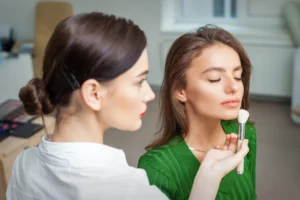
Corrective makeup focuses on balancing the appearance of specific facial features or skin concerns through strategic application. Color correction, contouring, highlighting, and concealing are commonly used.
Function: Visually balance the complexion and facial structure according to individual needs.
Essential tools: Small concealer brushes, color-correcting products, precision sponges, contour brushes, and blending brushes.
12. Monochromatic Makeup
Monochromatic makeup uses similar or matching tones across multiple areas of the face. For example, peach or rose tones may be used on the eyes, cheeks, and lips.
Function: Create a coordinated and harmonious appearance with relatively simple color selection.
Essential tools: Eyeshadow brushes, blush brush, lip brush, and a versatile makeup palette.
13. Special Effects Makeup
Special effects, or SFX makeup, is used to create realistic injuries, aging effects, fantasy characters, creatures, and other transformations. It is more technical than conventional beauty makeup and may involve prosthetics and sculpting materials.
Function: Transform the appearance of the face or body for film, television, theater, Halloween, photography, and other creative productions.
Essential tools: SFX brushes, stippling sponges, prosthetic materials, sculpting tools, adhesive products, specialty pigments, and removal supplies.
How to Choose the Right Makeup Products and Tools
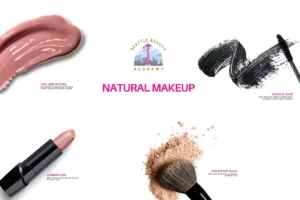
The right tools can significantly affect the final makeup application. Brushes are generally selected according to their shape, density, and intended use. Large, fluffy brushes are useful for blending powders, while smaller and denser brushes provide greater precision.
Sponges are particularly useful for blending foundation and concealer, while specialized tools such as lash applicators and airbrush systems are designed for specific techniques.
Tool hygiene is equally important. Makeup brushes, sponges, palettes, and other reusable equipment should be cleaned and disinfected appropriately to reduce the risk of transferring bacteria between applications. Professional artists should also understand proper product handling and sanitation practices.
Understanding skin types is also an important skill for makeup artists. Knowing whether a client has oily, dry, combination, or sensitive skin helps the artist choose suitable products, prepare the skin properly, and create a more comfortable, long-lasting finish.
For students exploring professional beauty careers, learning how products, tools, skin characteristics, facial structure, and application techniques work together is an important part of developing practical skills. Cosmetology Program can provide structured opportunities to study makeup techniques alongside other areas of beauty and personal care.
Final Thoughts
The 13 types of makeup above demonstrate how broad the field of makeup artistry can be. Natural and everyday makeup focus on subtle enhancement, while bridal, glam, editorial, and stage makeup require more specialized techniques. Corrective and character makeup focus on changing or balancing appearance, while SFX makeup takes transformation even further.
Whether someone is interested in personal beauty or a professional career, understanding the purpose behind each makeup style is a useful foundation. With Seattle Beauty Academy’s Cosmetology Program, students can explore how different makeup techniques, tools, sanitation practices, and beauty services come together in real-world applications.