

Fade haircuts are some of the most recognizable and versatile styles in modern barbering. From clean, subtle looks to bold, high-contrast cuts, a fade can dramatically change the overall appearance of a haircut.
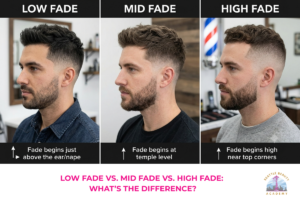
But while the terms low fade, mid fade, and high fade are often used interchangeably, each style creates a different shape and level of contrast.
Understanding the difference between these three fade types is an important part of learning professional barbering. The placement of the fade can affect the proportions of the haircut, the shape of the head, and how the finished style complements a client’s features.
What Is a Fade Haircut?
A fade is a haircut technique where the hair gradually transitions from shorter lengths near the neckline and sides to longer hair higher up the head. Instead of creating a noticeable line between different lengths, the barber blends the hair to create a smooth transition.
Fades can be combined with many different hairstyles, including textured crops, pompadours, quiffs, comb-overs, curls, and longer hairstyles. The fade itself describes where the transition begins, rather than the complete haircut.
The three most common variations are the low fade, mid fade, and high fade.
Low Fade
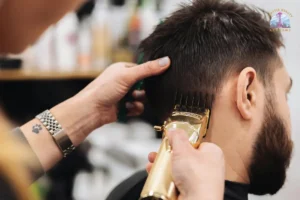
A low fade begins relatively close to the ears and neckline. The shortest portion of the haircut stays low on the sides, creating a gradual and understated transition into the longer hair above.
Because the fade doesn’t extend very far up the head, a low fade generally preserves more of the natural shape and weight of the haircut.
What Does a Low Fade Look Like?
A low fade typically has:
- A subtle transition around the ears
- More length remaining on the sides
- A softer overall appearance
- A clean neckline and sideburn area
- A natural connection between the sides and top
The low fade works particularly well for people who want a polished haircut without creating a dramatic change in the sides.
It can also be paired with longer hair on top, making it a flexible option for both classic and contemporary styles.
Mid Fade
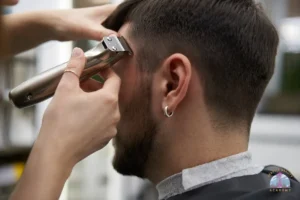
A mid fade starts higher than a low fade, generally around the middle portion of the sides of the head. This creates a more noticeable transition while still leaving enough hair on the sides to maintain balance.
The mid fade is often considered a versatile option because it sits between the subtle appearance of a low fade and the stronger contrast of a high fade.
What Does a Mid Fade Look Like?
A mid fade typically provides:
- A clearly visible fade around the sides
- Moderate contrast between the sides and top
- A balanced appearance
- Flexibility with short or medium-length hairstyles
- A defined but relatively adaptable finish
Because the fade begins around the middle of the sides, the barber has to carefully consider the head shape and the desired silhouette. Small differences in placement can change the appearance of the finished haircut.
High Fade
A high fade begins much higher on the sides of the head, often approaching the temples. This removes more weight from the sides and creates a stronger contrast between the faded area and the longer hair on top.
High fades are commonly associated with sharp, modern, and high-contrast hairstyles.
What Does a High Fade Look Like?
A high fade usually features:
- A fade that starts high on the sides
- Significantly shorter hair around the upper sides
- Strong contrast between the sides and top
- A more defined overall silhouette
- A bold, modern appearance
Because more of the sides are taken down, a high fade can make the hair on top appear more prominent. This makes it especially useful when the goal is to emphasize texture, volume, or a particular style on top.
Low Fade vs. Mid Fade vs. High Fade
The easiest way to understand the difference is to focus on where the fade begins.
| Fade Type | Fade Placement | Overall Effect |
|---|---|---|
| Low Fade | Near the ears and neckline | Subtle and natural |
| Mid Fade | Around the middle of the sides | Balanced and defined |
| High Fade | Higher toward the temples | Bold and high-contrast |
The difference isn’t simply about how short the hair becomes. All three fades can potentially reach very short lengths. The key distinction is how high the transition is placed.
How Do Barbers Choose the Right Fade?
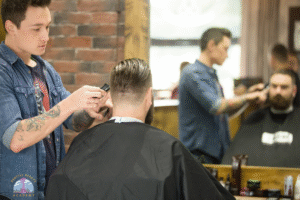
Choosing a fade involves more than simply asking whether someone wants a low, mid, or high fade. A professional barber considers several factors before beginning the cut.
– Head Shape
The shape of the client’s head can influence where the fade should be placed. Moving the fade higher or lower can change the visual proportions of the haircut.
– Hair Texture
Straight, wavy, curly, and coily hair can respond differently to fading techniques. Texture affects how clearly the transition appears and how the haircut behaves as it grows out.
– Desired Style
A client looking for a conservative, classic appearance may prefer a lower fade, while someone seeking a more dramatic style may choose a higher fade.
– Hair Length on Top
The amount of length and volume on top also affects the overall balance. A barber needs to consider how the faded sides will connect with the top section.
– Maintenance Preferences
A very sharp fade can require regular maintenance to keep its clean appearance. Understanding how frequently a client wants to return for a haircut can help determine an appropriate style.
Why Fade Placement Matters
Fade placement is one of the details that separates a basic haircut from a carefully designed one. A fade that is too high, too low, or unevenly blended can change the entire silhouette.
For students learning barbering, practicing different fade placements helps develop an understanding of blending, weight distribution, head shape, and clipper control. These skills are developed through repetition and attention to detail in a barber program at Seattle Beauty Academy.
The goal isn’t simply to remove hair. It is to create a controlled transition that works with the client’s existing hair, facial features, and requested style.
Which Fade Should You Choose?

There isn’t one fade that works for everyone. The best choice depends on the client’s preferred appearance, hair characteristics, head shape, and desired level of maintenance.
A low fade offers a softer and more subtle transition. A mid fade provides a balanced combination of definition and versatility. A high fade creates stronger contrast and puts greater visual emphasis on the hair on top.
For aspiring barbers, understanding these distinctions is a foundation for developing more advanced cutting skills. As technique improves, barbers can adjust fade height, blending, weight, and texture to create customized results rather than treating every haircut the same way.
Ultimately, a great fade is about precision. Whether the transition is low, mid, or high, clean blending and thoughtful placement are what make the finished haircut look intentional and professional.
For those interested in developing their barbering skills in a hands-on learning environment, Seattle Beauty Academy offers training that helps students build a strong foundation in professional haircutting, fading, and other essential barbering techniques.