

When most people hear the word cosmetology, they may immediately think of haircuts, hair color, makeup, or styling. But cosmetology is much more than making someone look good. It combines creativity, technical skills, sanitation, communication, chemistry, and an understanding of beauty and personal care.
Whether you are considering cosmetology school, exploring a career in the beauty industry, or simply curious about what cosmetologists actually do, there are many things about this profession that may surprise you.
Here are Cosmetology facts you probably wouldn’t expect:
1. Cosmetology Is About More Than Hair

Hair is a major part of cosmetology, but it is not the entire field.
Depending on the program and state licensing requirements, cosmetology education can cover areas such as hair design, skincare, nail services, makeup, sanitation, client consultation, and professional practices.
This broad foundation gives students an opportunity to explore different areas of the beauty industry and discover where their strengths and interests fit.
2. Cosmetology Involves Science
Beauty services may look creative from the outside, but there is a significant amount of science behind them.
Cosmetologists learn about topics such as hair structure, skin characteristics, product ingredients, color theory, chemistry, and how different products interact with hair and skin.
For example, understanding the structure and condition of the hair helps a professional determine which products and techniques may be appropriate for a particular service.
So while cosmetology is an artistic career, science is an important part of the training.
3. Hair Color Is Basically Applied Chemistry
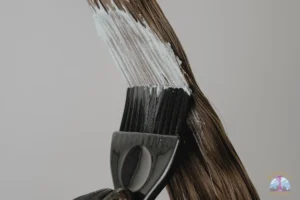
Hair coloring is one of the clearest examples of science in cosmetology. Read more The Chemistry at Color Hair .
Professional hair color products involve chemical processes that change the appearance of the hair. Understanding factors such as hair condition, porosity, existing color, developer strength, and color theory can help a cosmetologist achieve more predictable results.
That is why professional hair coloring requires more than simply picking a shade from a color chart.
4. Client Consultation Is a Critical Skill
One of the most important things a cosmetologist learns is how to communicate with clients.
Before beginning a service, a professional needs to understand what the client wants, evaluate the current condition of the hair or skin, discuss expectations, and determine what is realistically achievable.
A great consultation can prevent misunderstandings and help create a better client experience.
In other words, listening can be just as important as styling.
5. Cosmetologists Need Strong Sanitation Habits

Sanitation is not an optional part of professional beauty services. Lear more about Building Healthier Communities Through Beauty Education
Cosmetology students learn proper sanitation and safety practices because they work directly with clients and professional tools. Cleaning, disinfecting, handling implements properly, and maintaining a clean workstation are essential parts of professional practice.
These habits help create a safer environment for both the client and the beauty professional.
6. You Don’t Have to Be Naturally Artistic to Learn Cosmetology
Many people assume they need to be naturally talented at drawing, styling, or creating beauty looks before entering cosmetology school.
Creativity certainly helps, but professional skills can be developed through education and repeated practice.
Students learn techniques step by step. With consistent practice, they can improve their precision, speed, confidence, and ability to create different styles.
You don’t have to start as an expert to become a professional.
7. Cosmetology Requires Both Creativity and Precision
Cosmetology sits at an interesting intersection between art and technical skill.
A stylist may need creativity to design a haircut or color look, but precision is equally important. Small differences in sectioning, angles, timing, or product application can affect the final result.
Successful beauty professionals often combine creative thinking with careful attention to detail.
8. Every Client’s Hair Is Different

There is no universal formula that works perfectly for every client.
Hair texture, density, length, previous chemical services, condition, natural color, and lifestyle can all affect how a service should be performed.
This is why cosmetology education focuses on understanding individual clients rather than simply memorizing one technique.
The ability to analyze and adapt is an important professional skill.
9. Cosmetology Is a People-Centered Career
A cosmetologist doesn’t just work with hair, products, and tools. They work with people.
Clients may have specific preferences, concerns, questions, or expectations. Building trust and creating a comfortable environment can become an important part of the professional relationship.
For people who enjoy meeting new clients and developing long-term relationships, cosmetology can offer a highly social work environment.
10. Beauty School Is About Professionalism, Too
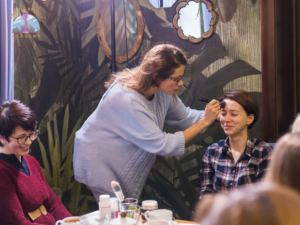
Cosmetology training isn’t only about learning services.
Students also develop professional habits such as time management, communication, client service, organization, workstation preparation, and workplace etiquette.
These skills can be especially valuable when transitioning from school into a salon or other professional beauty setting.
11. Trends Are Always Changing
The beauty industry never stays exactly the same.
Haircuts, colors, styling techniques, nail trends, skincare practices, and beauty preferences continue to evolve. Social media has also accelerated how quickly new beauty trends can reach consumers.
For cosmetologists, continuing education and a willingness to learn can be important throughout their careers.
Graduation is not necessarily the end of learning—it can be the beginning of a professional journey.
12. Cosmetologists Can Work in Different Environments
A cosmetology career does not necessarily mean working in the same type of salon every day.
Depending on their education, licensing, experience, and career goals, beauty professionals may explore opportunities in salons, spas, beauty businesses, freelance work, education, or other areas of the beauty industry.
The career path can develop over time as professionals gain experience and identify the services and work environments they enjoy most.
13. Customer Service Can Be a Career Advantage
Two professionals may have similar technical skills but provide very different client experiences.
Being welcoming, professional, attentive, and responsive can help a beauty professional build positive relationships with clients.
For many cosmetologists, developing a loyal client base becomes an important part of their professional journey.
That means learning how to provide excellent service can be just as valuable as learning how to perform a technical service.
14. Cosmetology Can Become a Business Career

Cosmetology is not limited to being an employee.
With the appropriate licensing, experience, and business knowledge, beauty professionals may eventually explore independent work or entrepreneurship.
Some may build a personal brand, rent a salon space, offer freelance services, or eventually operate their own beauty business.
For students with an entrepreneurial mindset, cosmetology can provide a foundation for exploring both beauty and business.
15. Your Career Can Start With One Skill
One of the most interesting things about cosmetology is how many different skills can become part of a professional’s career.
You may begin by enjoying hair styling and later discover an interest in color. Another student may become passionate about client transformations, while someone else may eventually be interested in education or business.
A cosmetology program provides a foundation. What you build from that foundation can develop as your skills, experience, and interests grow.
Why Understanding These Cosmetology Facts Matters
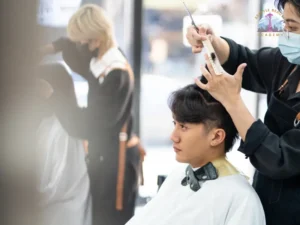
Cosmetology is often misunderstood as simply “doing hair.” In reality, professional beauty work can require a combination of technical knowledge, creativity, science, sanitation, communication, and business skills.
That is also why choosing the right training environment matters.
A quality beauty school should give students opportunities to develop technical skills while also learning professional habits, client communication, sanitation, and practical service techniques.
For students in Seattle and across Washington who are considering a career in the beauty industry, understanding what cosmetology really involves can help you make a more informed decision about your education and career goals.
Is Cosmetology Right for You?
If you enjoy creativity, working with people, learning hands-on skills, and staying current with beauty trends, cosmetology may be an area worth exploring.
The best way to understand the profession is to experience the learning process for yourself. Research different cosmetology programs, compare their curriculum and training environment, and consider what type of beauty career you want to build.
At Seattle Beauty Academy – a licensed beauty school in Washington, students can develop foundational beauty skills through hands-on training designed to prepare them for professional opportunities in the beauty industry.
Your journey doesn’t have to begin with knowing everything.
It can begin with learning one skill, practicing it, and building from there.