

Thinking about barber school but wondering if it’s the right investment? You’re not alone. With rising tuition costs and changing career landscapes, it’s smart to weigh the pros and cons before committing to any professional training program.
Let’s break down what barber school really costs, what you can expect to earn, and whether this hands-on career path aligns with your goals—especially if you’re in Washington State.

What Does Barber School Actually Cost?
Barber school can be worth it in 2026 if you enjoy hands-on work, are comfortable building clients over time, and want a faster path into the beauty industry.
In Washington State, total costs range from $10,000–$25,000 ( including tuition, professional tools, licensing exam fees, and potentially housing or transportation if you’re relocating for school) with earning potential growing significantly after the first few years.
Financial aid, payment plans, and scholarships can help make barber school more accessible. Some schools offer bilingual support and flexible scheduling to accommodate working students or those balancing family responsibilities.
How Long Does Barber School Take?
In Washington State, aspiring barbers must complete a minimum number of training hours to qualify for licensure. Most barber programs run anywhere from 9 to 18 months, depending on whether you attend full-time or part-time.
Full-time students typically finish faster, while part-time programs allow you to work while you learn. The key is finding a schedule that fits your life without compromising the quality of your education.
What Can Barbers Actually Earn?
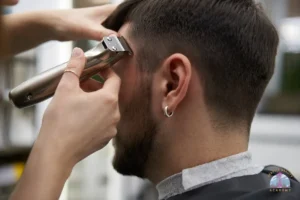
According to recent labor data, barbers in the United States earn a median annual salary of around $35,000 to $45,000. However, earnings vary significantly based on location, experience, clientele, and whether you work for a barbershop or operate your own business.
In major metropolitan areas like Seattle, skilled barbers with established client bases can earn $50,000 to $70,000 or more annually. Tips, commission structures, and booth rental arrangements also impact your take-home pay.
Top-earning barbers often build strong reputations, specialize in trending techniques like fades and beard sculpting, and cultivate loyal followings on social media. Your earning potential grows as you develop your skills and business savvy.
The Real Pros of Barber School

Creative Expression and Artistry Barbering is a creative profession. You’re not just cutting hair—you’re crafting styles, building confidence, and helping clients look their best. If you enjoy hands-on work and artistic expression, barbering offers daily opportunities to flex those skills.
Job Stability and Demand People will always need haircuts. The demand for skilled barbers remains steady, even during economic downturns. As the population grows and grooming trends evolve, trained barbers continue to find work.
Flexible Career Options Barbers can work in traditional barbershops, upscale salons, spas, or even cruise ships and resorts. You can also go the entrepreneurial route by renting a booth, opening your own shop, or offering mobile barbering services.
Faster Entry Than Many Careers Compared to four-year college degrees, barber school gets you working in the field much faster. Within a year or two, you can be licensed, earning money, and building your career.
Community and Connection Barbershops are community hubs. You’ll build relationships with clients, hear their stories, and become a trusted part of their routines. For people-oriented individuals, this social aspect is deeply rewarding.
The Honest Cons of Barber School
Physical Demands Barbering requires standing for long hours, repetitive hand movements, and physical stamina. Over time, some barbers experience back pain, wrist strain, or fatigue. Investing in ergonomic tools and practicing self-care is essential.
Income Can Be Inconsistent Early On Building a client base takes time. New barbers often start with lower earnings until they establish their reputation and schedule. Commission-based pay structures mean slow weeks can impact your income.
Licensing Requirements Vary by State Each state has different training hour requirements, exam standards, and continuing education mandates. If you plan to move, you may need to meet new licensing criteria or transfer your credentials.
Competition in Saturated Markets In some areas, the barbering market is crowded. Standing out requires excellent skills, marketing savvy, and a unique brand. You’ll need to hustle to differentiate yourself, especially early in your career.
Ongoing Education and Trends The beauty industry evolves constantly. Staying current with new techniques, tools, and styles requires ongoing training and investment in your education.
Cosmetology vs. Barbering: What’s the Difference?
If you’re exploring beauty careers, you might wonder whether barbering or cosmetology is the better fit. Here’s a quick comparison:
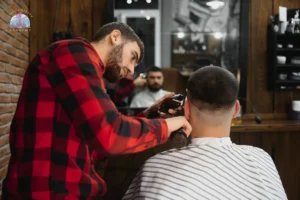
Barbering focuses primarily on men’s haircutting, beard grooming, straight razor shaves, and classic barbershop techniques. Training is typically shorter and more specialized.
Cosmetology covers a broader range of services including haircutting and styling for all genders, hair coloring, chemical treatments, skincare, nail care, and makeup application. Cosmetology programs require more training hours but open doors to a wider variety of career paths.
In Washington State, cosmetology students complete around 1,600 hours of training, while barber programs may require fewer hours depending on the specific license type. Both lead to rewarding careers, but your choice depends on your interests and career goals.
Not sure which beauty career fits you best?
Our admissions team can help you compare programs and choose the right path based on your goals and schedule.
Alternative Beauty Career Paths in Washington State
If you’re passionate about the beauty industry but unsure about barbering specifically, Washington offers several other professional training options:
Cosmetology prepares you for diverse roles in salons, spas, and media. You’ll learn hair, skin, and nail services, giving you flexibility to specialize or work across multiple areas.
Esthetics focuses on skincare, facials, waxing, and makeup. Estheticians work in spas, dermatology offices, and retail settings. Master Esthetics programs offer advanced training in medical-grade treatments.
Nail Technology is perfect if you love detailed, artistic work. Nail technicians perform manicures, pedicures, nail art, and gel or acrylic applications.
Instructor Training allows experienced beauty professionals to teach the next generation. If you love mentoring and sharing your expertise, instructor programs can be a fulfilling career evolution.
Why Seattle Beauty Academy Supports Your Career Goals
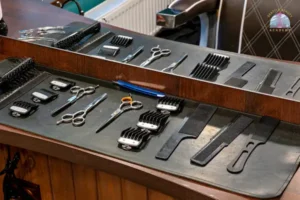
At Seattle Beauty Academy, we understand that choosing a career path is a big decision. While we don’t currently offer a standalone barber program, our comprehensive Cosmetology program equips you with essential barbering skills along with a full range of beauty services.
We’re also proud to offer bilingual support for Spanish-speaking and Vietnamese-speaking students, ensuring language is never a barrier to your education.
Students like Angelica and Marisol have transformed their lives through our programs, overcoming challenges and building thriving careers in the beauty industry.
Our small class sizes mean personalized attention, and our live client practice gives you the experience you need to hit the ground running after graduation. Whether you’re interested in men’s grooming, hair coloring, skincare, or nails, we provide the foundation for your success.
Many of our graduates go on to work in salons, open their own businesses, or specialize in men’s grooming within their cosmetology careers.
Final Verdict: Is BarberSchool Worth It?
The answer depends on your personal goals, financial situation, and passion for the craft. Barber school is absolutely worth it if you:
Enjoy hands-on, creative work and building client relationships
- Want a career with steady demand and flexible options
- Are willing to invest time and effort into building your business
- Appreciate the community and culture of barbershops
- Can handle the physical demands and income variability during the early years
However, if you’re looking for immediate high income, prefer office-based work, or aren’t passionate about the beauty industry, barber school may not align with your expectations.
For those in Washington State exploring beauty careers, consider your interests carefully. Whether you choose barbering, cosmetology, esthetics, or nail technology, professional training opens doors to fulfilling, creative careers.
Ready to Start Your Beauty Career?
If you’re in the Washington, and passionate about beauty, Seattle Beauty Academy offers professional programs designed to support your success. From Cosmetology to Esthetics, Nail Technology, and Master Esthetics, we provide the training, support, and hands-on experience you need to thrive.
Ready to take the next step? Talk to our admissions team to explore programs, financial aid options, and flexible schedules—available in English, Spanish, and Vietnamese.