


If you’re interested in building a career in the beauty industry, you may have come across two popular career paths: barbering and cosmetology.
At first, the difference may seem simple. You might think of a barber as someone who cuts hair and shaves beards, while a cosmetologist focuses on women’s hair and beauty services. But the distinction is much broader than that.
Both barbers and cosmetologists are trained beauty professionals, but they can have different areas of specialization, training requirements, services, and career opportunities. Understanding these differences can help you choose the path that best matches your interests and long-term goals.
If you’re considering beauty school in Washington State, this guide will explain the difference between a barber and a cosmetologist, what each professional does, and how to decide which career may be right for you.
Barber vs. Cosmetologist: What’s the Main Difference?

The biggest difference between barbering and cosmetology is the scope of services and the type of training each career emphasizes.
A barber typically specializes in hair cutting, shaving, facial hair grooming, and traditional barbering techniques. Barbers often work with clients who want fades, tapers, beard shaping, razor shaving, and other precision grooming services.
A cosmetologist, on the other hand, receives broader training in beauty services. Depending on their license and scope of practice, cosmetologists may work with hair cutting and styling, hair coloring, chemical services, skincare, nail care, and makeup.
In simple terms:
- Barbering is generally more specialized around hair cutting, shaving, and grooming.
- Cosmetology provides broader training across multiple areas of beauty.
Neither career is necessarily “better.” The right choice depends on the services you enjoy, the type of clients you want to work with, and the career you want to build.
What Does a Barber Do?
Barbering is a specialized profession built around hair cutting and grooming.
A barber may provide services such as:
- Haircuts
- Fades
- Taper cuts
- Clipper and shear cuts
- Beard trimming and shaping
- Mustache grooming
- Hairline and neckline detailing
- Straight-razor shaving
- Beard Facial grooming, learn more here.
The work requires both technical precision and an understanding of how hair, facial features, and head shape affect the final result.
For example, creating a clean fade is not simply about using a particular clipper. A barber needs to understand length transitions, blending, proportions, hair texture, and the client’s desired style.

The Client Experience Is Part of Barbering
Barbering is also highly relationship-driven.
Many clients return regularly to maintain a particular haircut or grooming style. Over time, a barber may learn a client’s preferred length, styling habits, beard shape, and personal preferences.
That makes communication and consultation important parts of the job.
A successful barber needs to be able to listen to what a client wants, recommend appropriate options, and consistently reproduce a quality result.
If you enjoy precision work, short hairstyles, fades, facial hair grooming, and building long-term relationships with clients, barbering may be worth considering.
A small note — What About a “Restricted Barber” License?
If you’ve done any research on this topic, you may have come across the term “restricted barber” — a scaled-down barber license with fewer hours and a narrower scope, offered as an entry-level tier in some states.
Washington State does not offer a restricted barber license. Some states use it as a stepping-stone credential; Washington keeps things simpler, with two clear paths — barber or cosmetology — rather than a middle tier. If you’ve seen the term online and wondered whether you’re missing an option, you’re not: in Washington, it’s one or the other, both leading to a full, unrestricted license in their respective scope.
What Does a Cosmetologist Do?
Cosmetology is broader in scope and can encompass several areas of personal beauty and appearance.
Depending on training and licensing, cosmetologists may provide services such as:
- Haircuts
- Hair styling
- Blowouts
- Hair coloring
- Highlights and other color techniques
- Perms and other chemical services
- Skincare
- Nail care
- Makeup
Because cosmetology covers multiple areas, the career can allow professionals to explore different specialties over time.
One cosmetologist might focus heavily on hair color and styling, while another may enjoy working across several beauty services.
Cosmetology Combines Technical Skill and Creativity
A cosmetologist often needs to think beyond a single service.
A client may bring in a photo of a hairstyle or hair color they want. The cosmetologist needs to consider the client’s current hair condition, texture, color history, face shape, lifestyle, and maintenance preferences before determining how to approach the desired result.
This combination of consultation, technical knowledge, and creativity is an important part of cosmetology.
If you enjoy creating different looks, experimenting with hair, and exploring multiple areas of beauty, cosmetology may offer the variety you’re looking for.
Barber vs. Cosmetologist: A Side-by-Side Comparison
The easiest way to see the distinction is to compare the typical focus of each profession.
| Barber | Cosmetologist | |
|---|---|---|
| Main focus | Hair cutting, shaving, and grooming | Hair and broader beauty services |
| Haircuts | ✓ | ✓ |
| Fades and taper cuts | ✓ | ✓ |
| Beard grooming | ✓ | Scope dependent |
| Straight-razor shaving | ✓ | Scope dependent |
| Hair styling | ✓ | ✓ |
| Hair coloring | Scope dependent | ✓ |
| Chemical hair services | Scope dependent | ✓ |
| Skincare | Scope dependent | ✓ |
| Nail services | — | ✓ |
| Makeup | Scope dependent | ✓ |
| Typical career direction | Specialized grooming | Broader beauty services |
This is a general comparison, not a complete statement of Washington State law. The services a professional may legally provide depend on their current license and applicable state regulations.
Barber vs. Cosmetologist in Washington State
If you’re planning to build your beauty career in Washington, understanding the difference between the two professions is especially important.
Washington regulates beauty professionals through licensing requirements and defined scopes of practice. The exact education, examination, and licensing requirements can change, so anyone planning a career should check the current requirements through the Washington State Department of Licensing before enrolling in a program or applying for a license.
For career planning purposes, however, the bigger question is not simply:
“Which license is easier?”
A better question is:
“Which type of work do I actually want to do?”
Your answer can help you determine which educational path makes the most sense.
If your strongest interest is precision haircuts, fades, shaving, beard design, and grooming, barbering may be a natural fit.
If you want to explore hair styling, coloring, chemical services, and a wider variety of beauty services, cosmetology may better match your interests.
Barber or Cosmetologist: Which Career Is Right for You?

There is no universal answer to whether barbering or cosmetology is better.
Instead, think about the type of work you would genuinely enjoy performing day after day.
Barbering May Be a Good Fit If You:
Enjoy precision.
You like working carefully with clippers, trimmers, shears, and other tools to create clean, controlled results.
Like fades and short hairstyles.
You enjoy the technical challenge of blending different lengths and creating structured haircuts.
Are interested in men’s grooming.
Beards, mustaches, shaving, and grooming are areas that particularly interest you.
Prefer specialization.
You would rather develop deep expertise in a focused area than work across many different beauty services.
Enjoy repeat clients.
You like building relationships with clients who return regularly for maintenance and grooming.
Like a social, conversational environment.
Barbering often involves frequent client interaction and a strong sense of personal connection.
Cosmetology May Be a Good Fit If You:
Want variety.
You want to learn and work across different beauty services rather than concentrating on one primary area.
Enjoy hair styling and transformation.
You like creating different hairstyles and adapting your work to each client’s look.
Are interested in hair color.
Coloring, highlights, and other techniques appeal to your creative side.
Want to explore multiple specialties.
You may want the flexibility to develop new interests as your career progresses.
Enjoy creative problem-solving.
You like figuring out how to achieve a client’s desired result based on their existing hair, condition, texture, and lifestyle.
Are interested in the broader beauty industry.
You want to explore areas beyond cutting and grooming.
What Is the Difference in Day-to-Day Work?
Another useful way to compare the two careers is to imagine a typical workday.
A barber may spend much of the day performing haircuts, fades, beard trims, and shaving services. Their schedule may involve moving quickly between clients while maintaining consistent quality and precision.
A cosmetologist may have a more varied schedule. One appointment could involve a haircut and blowout, while another could involve color, styling, or another beauty service.
Of course, real working environments differ. Some barbers offer a wide variety of grooming services, and some cosmetologists specialize heavily in one particular area.
The important distinction is that barbering tends to center around specialized cutting and grooming, while cosmetology can offer a broader range of beauty services.
Beauty Career Opportunities: Barbering vs. Cosmetology
Both professions can develop into different types of careers.
Where Can a Barber Work?
Depending on their licensing, experience, and career goals, barbers may work in:
- Traditional barbershops
- Modern grooming studios
- Salons
- Independent or booth-rental environments
- Mobile grooming businesses
- Personal businesses
- Education and training
Some barbers eventually build a loyal clientele and move toward independent business ownership.
Where Can a Cosmetologist Work?

Cosmetologists may explore opportunities in:
- Hair salons
- Beauty salons
- Spas
- Independent studios
- Booth-rental environments
- Bridal and special-event beauty
- Freelance beauty services
- Education and training
- Personal businesses
Because cosmetology can cover multiple beauty disciplines, professionals may also choose to specialize as they gain experience.
Skills You Need in Both Careers
Although barbering and cosmetology have different areas of focus, successful professionals share many of the same fundamental skills.
Technical Skill
You need to understand the tools, techniques, products, sanitation practices, and procedures involved in your services.
Communication
Clients may not always know how to describe exactly what they want. Asking questions and listening carefully can be just as important as performing the service.
Attention to Detail
Small details can change the overall result. Precision, symmetry, finishing, and consistency matter in both careers.
Creativity
Beauty professionals need technical knowledge, but they also need creativity to adapt their work to individual clients.
Customer Service
A client’s experience includes much more than the finished look. Professionalism, comfort, communication, and reliability can influence whether clients return.
Adaptability
Beauty trends and techniques continue to change. Professionals who remain curious and willing to learn can continue developing throughout their careers.
Can You Become Both a Barber and a Cosmetologist?
Some beauty professionals choose to expand their education and pursue additional credentials or licenses.
Learning both areas can potentially give a professional a broader understanding of hair and beauty services. It may also create additional flexibility when choosing where and how to work.
However, you don’t need to pursue everything at once.
For someone just entering the beauty industry, it may make more sense to identify the area that interests them most and build a strong foundation there first.
As your career develops, you can decide whether additional education or specialization makes sense for your goals.
Barber or Cosmetologist: Which One Should You Choose?

If you’re still undecided, consider these questions:
1. What services do I genuinely enjoy?
Would you rather spend your day creating fades and grooming beards, or experimenting with hair color, styling, and different beauty services?
2. Do I prefer specialization or variety?
Barbering can allow you to become highly specialized in cutting and grooming. Cosmetology can offer broader exposure to beauty services.
3. What type of clients do I want to work with?
Think about the clientele and environment where you feel most comfortable and energized.
4. What kind of creativity interests me?
Do you enjoy precision and structure, or do you prefer broader visual transformation and variety?
5. Where do I see myself in five years?
Consider whether you want to work in a barbershop, salon, independent studio, or eventually build your own business.
Your answers can help you identify the career path that aligns with your personality and professional goals.
Choosing the Right Beauty Career Starts With Knowing Yourself
The barber vs. cosmetologist decision isn’t about choosing the more prestigious career or the one that seems most popular.
It’s about finding the type of work that you can see yourself enjoying and improving at over time.
If you love precision haircuts, fades, shaving, and grooming, barbering may give you the specialized direction you’re looking for.
If you’re excited by hair styling, color, beauty transformations, and having a broader range of services to explore, cosmetology may be the better match.
Both careers require dedication, practice, professionalism, and a commitment to continuing your education.
Ready to Explore Your Options?
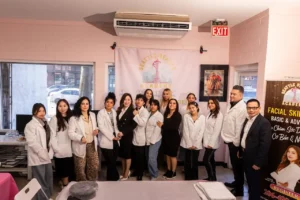
Once you have a better idea of which career matches your interests, the next step is learning about the education and licensing path associated with it.
Seattle Beauty Academy offers professional beauty education for students who want to develop practical skills and build a foundation for a career in the beauty industry.
If barbering is the direction you’re considering, you can learn more about barber training in Seattle and what to expect from professional barber education.
If you’re more interested in a broader beauty career, explore the cosmetology education options available to you.
The most important step is choosing a path that fits your interests, strengths, and long-term goals.
Final Thoughts
So, what’s the difference between a barber and a cosmetologist?
A barber generally focuses on hair cutting, shaving, and grooming, while a cosmetologist can work across a broader range of hair and beauty services.
Barbering may be a strong fit for someone who enjoys precision, fades, short haircuts, facial hair, and specialized grooming. Cosmetology may be better suited to someone who wants variety and is interested in styling, coloring, chemical services, and other areas of beauty.
Neither path is automatically the right choice for everyone.
Before making your decision, think about the services you enjoy, the clients you want to serve, the environment you want to work in, and the type of professional you want to become.
The best beauty career is the one that matches the work you want to do—and gives you room to grow.