

If you’ve spent any time in the nail industry — or researching a career in it — you’ve heard the debates.
Gel or acrylic? Dip or hard gel? BIAB or builder gel? Everyone has an opinion, and the internet has approximately one million conflicting answers.
Here’s the truth: there is no single “best” nail enhancement system. Each one has a specific purpose, a specific client, and a specific earning potential. What matters — for your career and your income — is understanding what each system actually does, where it excels, and where it falls short.
This is that guide. No brand bias, no filler. Just a clear breakdown of every major nail enhancement system, written for nail techs who want to make smart, informed decisions about which skills to build.
First: What Is a Nail Enhancement System?
A nail enhancement system is any professional product or technique used to add strength, length, or structure to the natural nail. This includes full extensions (adding length beyond the natural nail tip) and overlays (adding strength and structure over the natural nail without extending it).
Understanding this distinction matters because it directly affects which clients you can serve — and how much a nail technician can charge for these nail services?
1. Acrylic — The Industry Workhorse
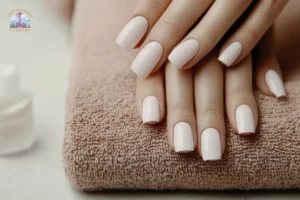
What it is: A two-part system combining a liquid monomer and a powder polymer. When mixed, they form a malleable bead that hardens through a chemical reaction — no UV lamp required.
What it’s best for: Full extensions, nail art on a hard surface, clients who want maximum durability. Acrylic nails has been the industry standard for decades for good reason — it’s strong, versatile, and workable.
The honest downsides: The chemical smell is significant. Improper application or removal causes serious nail damage. It requires a skilled hand to control the bead correctly, and bad acrylic work is immediately obvious.
What it earns: A full set of acrylics in Seattle typically runs $55–$95. Specialty shapes (coffin, stiletto, almond) and nail art add $20–$50+. Fill appointments run every 2–3 weeks at $35–$55.
Who’s hiring for it: Nearly every full-service nail salon. Acrylic is still the most requested enhancement service in the US. If you can do clean, well-structured acrylics efficiently, you will always have work.
2. Soft Gel — The Polish Alternative That Grew Up
What it is: A gel product — typically applied like polish — that cures under a UV or LED lamp. Includes gel polish (Shellac, OPI Gel Color, Gelish) and soft gel extensions using pre-made tips.
What it’s best for: Clients who want long-lasting color without the weight of acrylics. Soft gel polish is the most widely performed nail service in the world. Soft gel extensions offer a lighter, more flexible alternative to acrylic.
The honest downsides: Soft gel is not as strong as acrylic or hard gel. It’s more prone to lifting on oily nail beds and doesn’t hold up as well for clients who are hard on their hands. Not ideal for significant length.
What it earns: Gel manicures run $35–$65 in Seattle salons. Soft gel extensions: $65–$110 for a full set. Because gel manicures are fast to apply, a skilled tech can do 3–4 per hour — making it one of the highest revenue-per-hour services when volume is consistent.
Who’s hiring for it: Everyone. Gel polish proficiency is considered a baseline skill for nail techs in 2025, not an advanced one. If you don’t have it, you’re behind.
3. Dip Powder — The Low-Maintenance Favorite
What it is: A system that uses a bonding agent and colored acrylic powder, applied in layers without a UV lamp. The nail is dipped (or the powder is brushed on) multiple times, then sealed with a topcoat.
What it’s best for: Clients who want durability without a UV lamp, or those sensitive to gel chemistry. Dip lasts 3–4 weeks for many clients and tends to be more forgiving on nail beds that struggle with gel adhesion.
The honest downsides: Sanitation concerns are real — the double-dip method (client fingers going into shared product jars) is a cross-contamination risk. Professional application involves brushing powder onto the nail, not dipping. Knowing the correct sanitary protocol is non-negotiable.
Dip is also harder to control for precise nail shaping compared to acrylic or hard gel.
What it earns: Dip powder sets in Seattle run $50–$80. It’s a mid-range earner — not the highest ticket item, but clients are loyal to it and come back consistently.
Who’s hiring for it: Mid-range and neighborhood salons, spa environments, and mobile nail techs. Clients who love dip really love dip — which means strong repeat business.
4. Hard Gel — The Premium Extension System
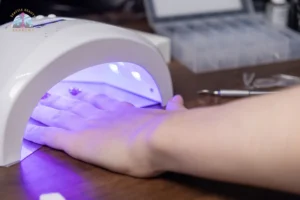
What it is: A thick, viscous gel product that cures under UV/LED light. Unlike soft gel, hard gel cannot be soaked off — it must be filed down. It’s used to build full extensions and overlays with significant structural strength.
What it’s best for: Clients who want the durability of acrylic without the smell, or those with allergies to acrylic monomer. Hard gel creates a more natural-looking, flexible extension that moves more like the natural nail.
The honest downsides: Hard gel has a steeper learning curve than acrylic. If you want to understand the technique behind hard gel sculpting? Here’s what Seattle salons expect you to know.
What it earns: Hard gel full sets in Seattle run $85–$150+, making it one of the highest-ticket enhancement services available. Fills run every 3–4 weeks at $60–$90. Techs who specialize in hard gel — particularly those who combine it with nail art — regularly charge premium prices.
Who’s hiring for it: Upscale salons, boutique nail studios, and high-end spas. Hard gel is increasingly the service that separates standard nail salons from specialty nail studios.
5. BIAB (Builder In A Bottle) — The Natural Nail Revolution
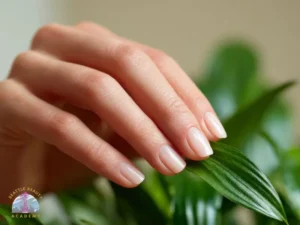
What it is: Builder gel in a single bottle — applied like gel polish but with the structural properties of a builder product. BIAB strengthens natural nails, adds a thin overlay, and can extend slightly without full sculpting.
What it’s best for: Clients who want stronger natural nails without committing to full enhancements. BIAB has exploded in popularity because it bridges the gap between a manicure and an enhancement — it looks natural, lasts 3–4 weeks, and genuinely improves nail health over time.
The honest downsides: BIAB is not for clients who want significant length. It’s an overlay system, not a sculpting system. Product knowledge matters — different BIAB brands cure differently and behave differently on various nail types.
What it earns: BIAB services run $55–$90 in Seattle, with fills at $45–$70. Because clients return every 3–4 weeks without exception (the product needs to be maintained, not just refreshed), BIAB builds some of the most consistent recurring income of any nail service.
Who’s hiring for it: For a deeper look at how BIAB fits into your service menu as an advanced technique, see our guide to advanced nail techniques Seattle salons are hiring for.
So Which System Pays the Most?
Here’s the honest answer — it depends on what you mean by “pays most.”
Highest single ticket: Hard gel extensions with nail art ($120–$200+) Highest volume earner: Gel polish manicures (3–4/hour at $35–$65 each) Best recurring income: BIAB (clients return every 3–4 weeks, consistently) Most universal demand: Acrylic (requested everywhere, always) Best client loyalty: Dip powder (clients who love it never leave)
The nail techs earning the most in Seattle aren’t specialists in one system — they’re fluent in all of them. They can read a client, recommend the right service, and execute it at a high level. That versatility is what commands premium pay and builds a full book.
What This Means for Your Training
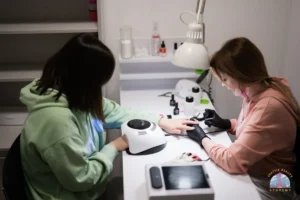
Understanding these systems conceptually is one thing. Building the muscle memory to apply them correctly, efficiently, and safely on real clients is another — and it only comes from structured, hands-on training.
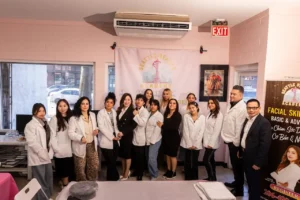
At Seattle Beauty Academy, students train across all major enhancement systems — not just one. You graduate knowing how to recommend the right service for every client, which is exactly what Seattle salons are hiring for.
Programs are available in English, Spanish, and Vietnamese, because the knowledge that builds a career shouldn’t depend on the language you learned it in.
Ready to Build Your Skill Set?
Whether you’re new to the industry or already licensed and looking to expand what you offer, understanding enhancement systems is the foundation of a competitive nail tech career.
Seattle Beauty Academy is enrolling now.
Seattle Beauty Academy is a licensed cosmetology school serving the greater Seattle area, with specialized programs for English, Spanish, and Vietnamese-speaking students. Learn more at seattlebeautyacademy.com